Carbonation Added
What is Carbonation Added?
Carbonation is the process of dissolving carbon dioxide gas (CO2) into a liquid, like water. This process creates bubbles and a fizzy sensation. It can occur naturally in some mineral waters or be added artificially during food manufacturing.
Is Carbonation Added vegan?
Carbonation Added is not animal-derived. Products that contain it can still include other animal-derived ingredients, so check the full ingredient list.
Is Carbonation Added gluten-free?
It does not contain gluten.
Is Carbonation Added a major allergen?
Carbonation is not derived from any of the 9 FDA major allergens.
What is Carbonation Added used for?
Manufacturers add carbonation to beverages to create a refreshing, fizzy texture and mouthfeel.
Is Carbonation Added safe?
Carbon dioxide used for carbonation is generally recognized as safe (GRAS) by the FDA for its intended use.
Why it's used
Manufacturers add carbonation to beverages to create a refreshing, fizzy texture and mouthfeel. It is commonly found in sparkling water, sodas, beers, and some juices.
Health notes
Carbon dioxide used for carbonation is generally recognized as safe (GRAS) by the FDA for its intended use. The FDA has not set specific upper intake levels for carbonation itself. JECFA and EFSA have evaluated carbon dioxide and have not set a numerical ADI. Consuming carbonated beverages can sometimes lead to bloating or gas for some individuals.
Allergen info
Carbonation is not derived from any of the 9 FDA major allergens. It does not contain gluten.
Foods that contain Carbonation Added
Compare products →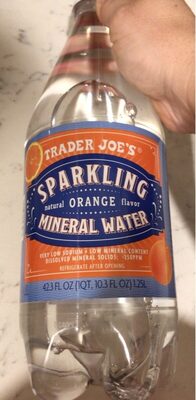
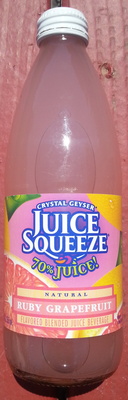
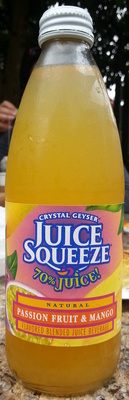 Crystal Geyser
Flavored Blended Juice Beverage , Passion Fruit & Mango
35kcal
0Protein
0Fat
8.7Carbs
Auto-generated content. This description was generated automatically and is pending editorial review. Inaccuracies are possible. Found a mistake? Contact us.