Carboximethylcellulose
Auto-generated content. This description was generated automatically and is pending editorial review. Inaccuracies are possible. Found a mistake? Contact us.
What it is
Carboxymethylcellulose (CMC) is a modified form of cellulose, a natural fiber found in plants. It is made by chemically treating cellulose, often derived from wood pulp or cotton linters.
Why it's used
CMC is used as a thickener, stabilizer, and emulsifier in a wide variety of foods. It helps prevent ingredients from separating and gives foods a smoother texture. You can find it in products like powdered drinks, ice cream, baked goods, and salad dressings.
Health notes
In the U.S., CMC is generally recognized as safe (GRAS) by the FDA for use in food. Regulatory bodies like the Joint FAO/WHO Expert Committee on Food Additives (JECFA) and the European Food Safety Authority (EFSA) have evaluated CMC and found it safe for consumption. Studies generally show it is not absorbed by the body and passes through undigested. Some research suggests it may have a prebiotic effect, feeding beneficial gut bacteria, but more studies are needed.
Allergen info
CMC is not derived from any of the nine major allergens (milk, egg, fish, shellfish, tree nuts, peanuts, wheat, soy, sesame). It does not contain gluten.
Products containing Carboximethylcellulose
Compare products →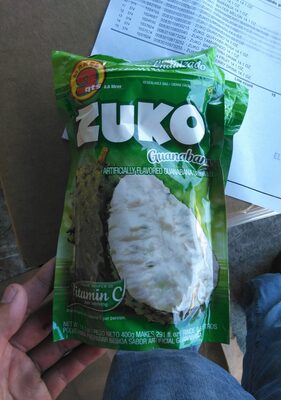 Genercon Outdoor Living Company
Guanabana Drink Mix
391kcal
0Protein
0Fat
90.9Carbs
Genercon Outdoor Living Company
Guanabana Drink Mix
391kcal
0Protein
0Fat
90.9Carbs
 Genercon Outdoor Living Company
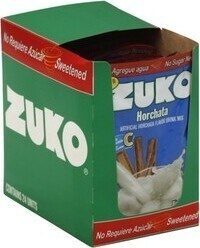
Horchata Flavored Rice, Milk And Cinnamon Drink Mix, Horchata
333kcal
0Protein
0Fat
88.9Carbs
Chica Bella, Inc.
Coated Peanut
482kcal
21.4Protein
28.6Fat
39.3Carbs
Genercon Outdoor Living Company
Horchata Flavored Rice, Milk And Cinnamon Drink Mix, Horchata
333kcal
0Protein
0Fat
88.9Carbs
Chica Bella, Inc.
Coated Peanut
482kcal
21.4Protein
28.6Fat
39.3Carbs
 TUTY USA LLC
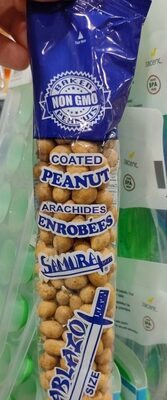
Peanut Coated
500kcal
20Protein
26.7Fat
46.7Carbs
TUTY USA LLC
Peanut Coated
500kcal
20Protein
26.7Fat
46.7Carbs
 Genercon Outdoor Living Company
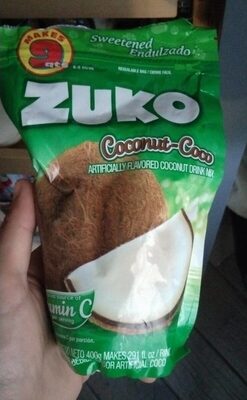
Coconut-Coco Flavored Coconut Drink Mix, Coconut-Coco
High in added sugars — 30% DV per serving
412kcal
0Protein
0Fat
94.1Carbs
Genercon Outdoor Living Company
Coconut-Coco Flavored Coconut Drink Mix, Coconut-Coco
High in added sugars — 30% DV per serving
412kcal
0Protein
0Fat
94.1Carbs
 Genercon Outdoor Living Company
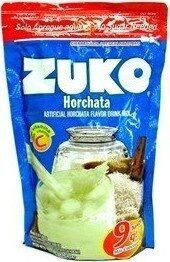
Horchata Flavored Rice Milk And Cinnamon Drink Mix, Horchata
High in added sugars — 30% DV per serving
412kcal
0Protein
0Fat
94.1Carbs
Genercon Outdoor Living Company
Passion Fruit Maracuya Drink Mix, Passion Fruit Maracuya
344kcal
0Protein
0Fat
77.8Carbs
Genercon Outdoor Living Company
Horchata Flavored Rice Milk And Cinnamon Drink Mix, Horchata
High in added sugars — 30% DV per serving
412kcal
0Protein
0Fat
94.1Carbs
Genercon Outdoor Living Company
Passion Fruit Maracuya Drink Mix, Passion Fruit Maracuya
344kcal
0Protein
0Fat
77.8Carbs