Carboxy Methyl Cellulose Gum
What is Carboxy Methyl Cellulose Gum?
Carboxymethyl cellulose gum (CMC) is a modified cellulose, a natural polymer found in plant cell walls. It is made by chemically treating cellulose, often from wood pulp or cotton linters, to add carboxymethyl groups. This process makes it soluble in water and gives it thickening and stabilizing properties.
Is Carboxy Methyl Cellulose Gum vegan?
Carboxy Methyl Cellulose Gum is not animal-derived. Products that contain it can still include other animal-derived ingredients, so check the full ingredient list.
Is Carboxy Methyl Cellulose Gum gluten-free?
It does not contain gluten.
Is Carboxy Methyl Cellulose Gum a major allergen?
Carboxymethyl cellulose gum is not derived from any of the major allergens.
What is Carboxy Methyl Cellulose Gum used for?
CMC is used as a thickener, stabilizer, and emulsifier in a wide variety of foods.
Is Carboxy Methyl Cellulose Gum safe?
In the US, CMC is generally recognized as safe (GRAS) by the FDA for use in food.
Why it's used
CMC is used as a thickener, stabilizer, and emulsifier in a wide variety of foods. It helps improve texture and prevent ingredients from separating. You can find it in products like baked goods, ice cream, sauces, dressings, and beverages.
Health notes
In the US, CMC is generally recognized as safe (GRAS) by the FDA for use in food. It is not metabolized by the body and passes through undigested, acting as a dietary fiber. International bodies like JECFA and EFSA have evaluated CMC and found it safe for consumption. No significant health concerns are associated with its typical use in food.
Allergen info
Carboxymethyl cellulose gum is not derived from any of the major allergens. It does not contain gluten.
Foods that contain Carboxy Methyl Cellulose Gum
Compare products →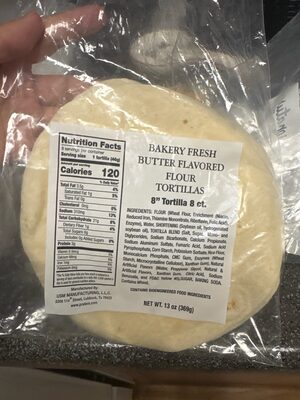
Learn more
Auto-generated content. This description was generated automatically and is pending editorial review. Inaccuracies are possible. Found a mistake? Contact us.