Carnauba Leaf Wax
What is Carnauba Leaf Wax?
Carnauba wax is a hard, brittle wax obtained from the leaves of the carnauba palm tree (Copernicia prunifera), native to Brazil. The leaves are dried, threshed, and then the wax is extracted. It is often refined and bleached.
Is Carnauba Leaf Wax vegan?
Carnauba Leaf Wax is not animal-derived. Products that contain it can still include other animal-derived ingredients, so check the full ingredient list.
Is Carnauba Leaf Wax gluten-free?
It does not contain gluten.
Is Carnauba Leaf Wax a major allergen?
Carnauba wax is not derived from any of the nine FDA major allergens.
What is Carnauba Leaf Wax used for?
Manufacturers use carnauba wax as a glazing agent, giving foods a shiny appearance and helping to prevent moisture loss.
Is Carnauba Leaf Wax safe?
In the U.S., carnauba wax is Generally Recognized As Safe (GRAS) by the FDA for use as a food additive.
Why it's used
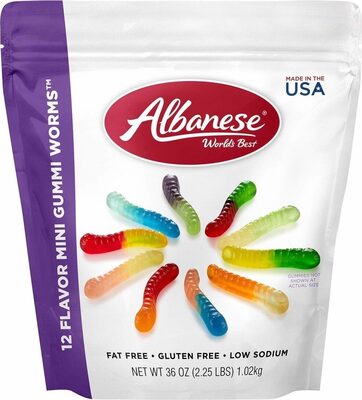
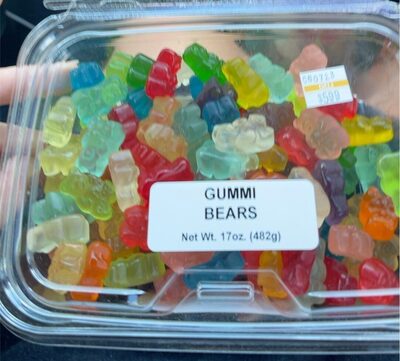
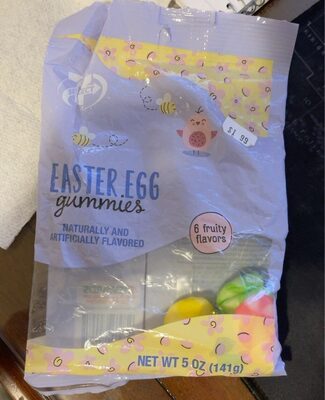
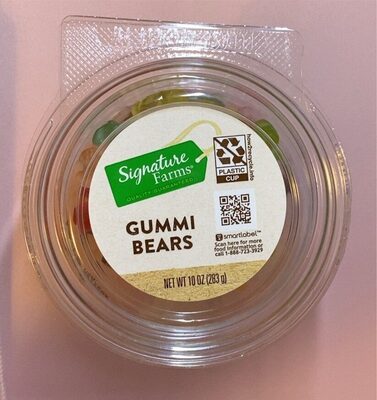
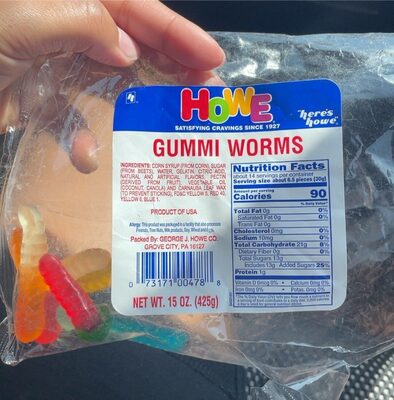
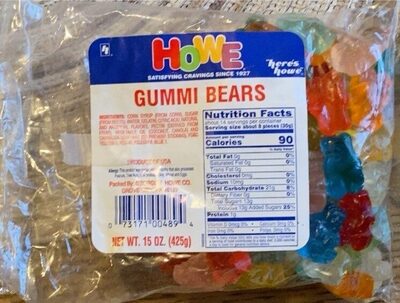
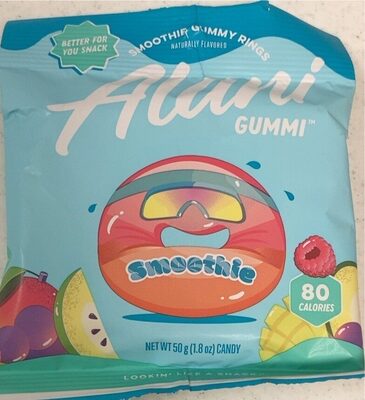
Manufacturers use carnauba wax as a glazing agent, giving foods a shiny appearance and helping to prevent moisture loss. It also acts as a hardening agent. It is commonly found in confectionery, such as candies and gummies, as well as in baked goods and dessert mixes.
Health notes
In the U.S., carnauba wax is Generally Recognized As Safe (GRAS) by the FDA for use as a food additive. It is indigestible and passes through the body unchanged. International bodies like JECFA have evaluated carnauba wax, and EFSA has also assessed its safety. No significant health concerns are associated with its consumption at typical levels.
Allergen info
Carnauba wax is not derived from any of the nine FDA major allergens. It does not contain gluten.
Foods that contain Carnauba Leaf Wax
Compare products →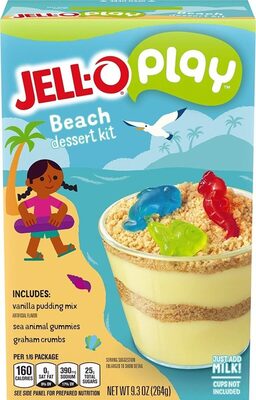






Auto-generated content. This description was generated automatically and is pending editorial review. Inaccuracies are possible. Found a mistake? Contact us.