Casing
What is Casing?
A casing is a protective outer layer for processed meat products like sausages and hot dogs. Casings can be made from natural sources like animal intestines or from manufactured materials like collagen or cellulose. They help hold the product's shape during cooking and processing, and can also contribute to texture.
Is Casing vegan?
No. Casing is animal-derived, so it is not vegan.
Is Casing gluten-free?
Gluten is not typically present unless added as part of the meat filling.
Is Casing a major allergen?
Casings are not derived from any of the 9 FDA major allergens.
What is Casing used for?
Casings are primarily used to encase processed meats, providing a barrier that holds the filling together and gives the product its characteristic shape.
Is Casing safe?
Casings are generally considered safe for consumption and are regulated by the FDA.
Why it's used
Casings are primarily used to encase processed meats, providing a barrier that holds the filling together and gives the product its characteristic shape. They are essential for products like sausages, hot dogs, and some types of jerky. The type of casing can also affect the final product's texture and bite.
Health notes
Casings are generally considered safe for consumption and are regulated by the FDA. Natural casings are essentially animal intestines, while manufactured casings are typically made from collagen or cellulose. These materials are processed and purified for food use. Regulatory bodies like JECFA and EFSA have evaluated various casing materials. Evidence does not suggest adverse health effects from typical consumption of foods containing casings.
Allergen info
Casings are not derived from any of the 9 FDA major allergens. Gluten is not typically present unless added as part of the meat filling.
Foods that contain Casing
Compare products →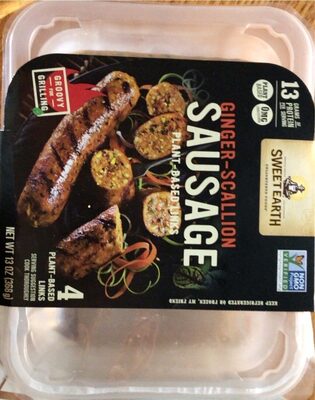
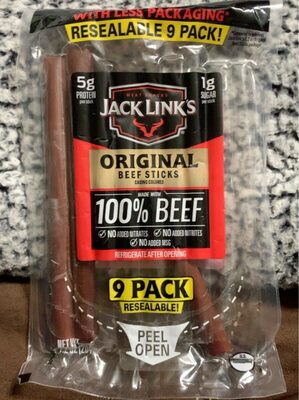
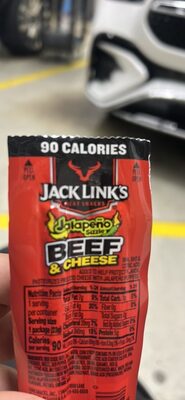
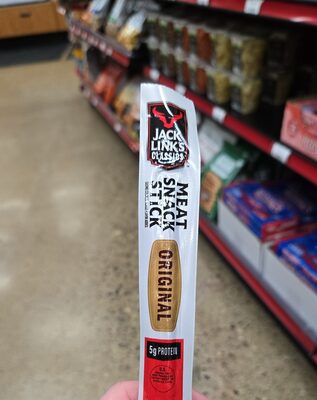
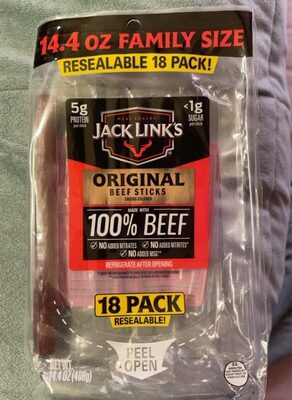
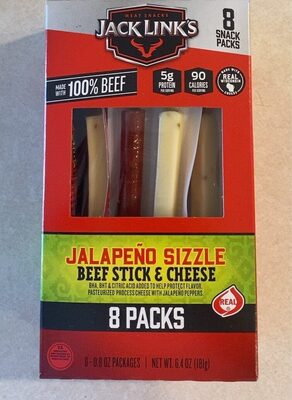
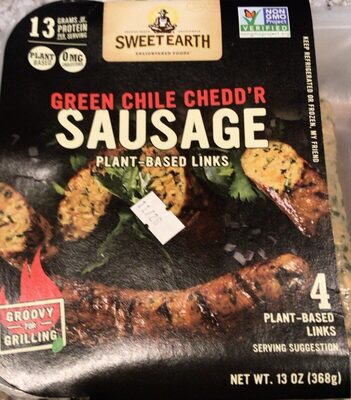
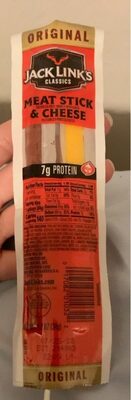
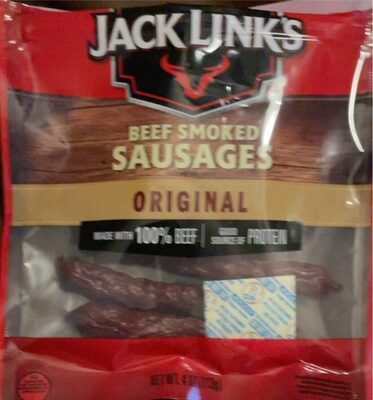





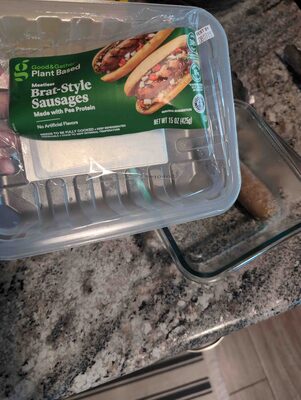

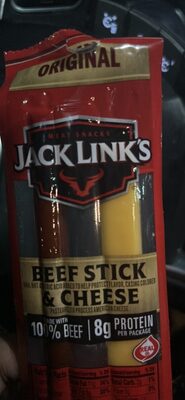
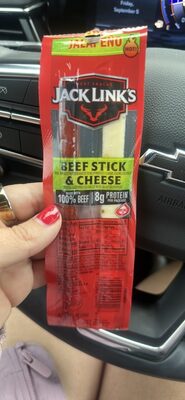
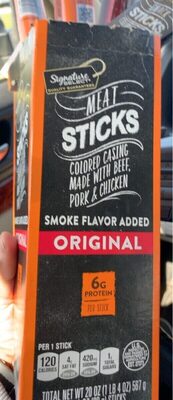
Auto-generated content. This description was generated automatically and is pending editorial review. Inaccuracies are possible. Found a mistake? Contact us.