Cassava Root Starch
What is Cassava Root Starch?
Cassava root starch is a carbohydrate extracted from the root of the cassava plant, a tropical shrub native to South America. The process involves washing, peeling, and then grinding the cassava roots to release the starch. The starch is then separated from the fibrous material and dried.
Is Cassava Root Starch vegan?
Cassava Root Starch is not animal-derived. Products that contain it can still include other animal-derived ingredients, so check the full ingredient list.
Is Cassava Root Starch gluten-free?
It is naturally gluten-free.
Is Cassava Root Starch a major allergen?
Cassava root starch is not derived from any of the 9 FDA major allergens.
What is Cassava Root Starch used for?
Manufacturers use cassava root starch primarily as a thickener and stabilizer in food products.
Is Cassava Root Starch safe?
Cassava root starch is generally recognized as safe (GRAS) by the FDA for use in food.
Why it's used
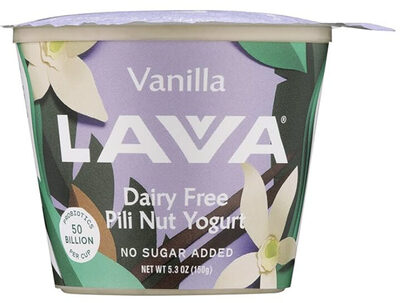
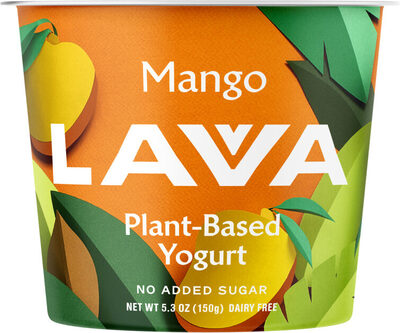
Manufacturers use cassava root starch primarily as a thickener and stabilizer in food products. It can also act as a binder and emulsifier. It is commonly found in yogurts, sauces, gravies, baked goods, and processed snacks.
Health notes
Cassava root starch is generally recognized as safe (GRAS) by the FDA for use in food. It is a source of carbohydrates and provides energy. JECFA has evaluated cassava starch and determined it is safe for consumption. No significant health concerns are associated with typical consumption levels.
Allergen info
Cassava root starch is not derived from any of the 9 FDA major allergens. It is naturally gluten-free.
Foods that contain Cassava Root Starch
Compare products →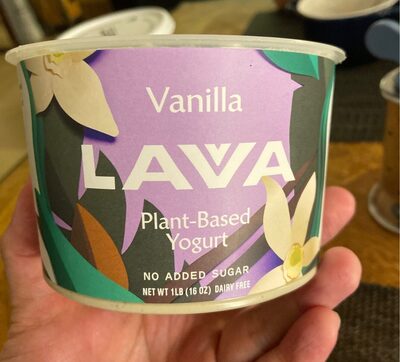
Learn more
Auto-generated content. This description was generated automatically and is pending editorial review. Inaccuracies are possible. Found a mistake? Contact us.