Cellullose Gum
Auto-generated content. This description was generated automatically and is pending editorial review. Inaccuracies are possible. Found a mistake? Contact us.
What it is
Cellulose gum, also known as carboxymethylcellulose (CMC), is a modified form of cellulose, a natural polymer found in plant cell walls. It is typically made by treating cellulose with chemicals to add carboxymethyl groups, making it soluble in water. This process results in a white, odorless powder.
Why it's used
Manufacturers add cellulose gum to foods as a thickener, stabilizer, and emulsifier. It helps improve texture, prevent ice crystals from forming in frozen desserts, and keep ingredients from separating. It is commonly found in ice cream, baked goods, sauces, and dressings.
Health notes
In the United States, cellulose gum is generally recognized as safe (GRAS) by the FDA for use as a food additive. It is not metabolized by the body and passes through undigested, contributing minimal calories. International bodies like JECFA and EFSA have also evaluated cellulose gum and found it safe for consumption. Evidence does not suggest adverse health effects at typical dietary intake levels.
Allergen info
Cellulose gum is derived from plant cellulose and is not one of the nine major FDA allergens. It does not contain gluten.
Products containing Cellullose Gum
Compare products →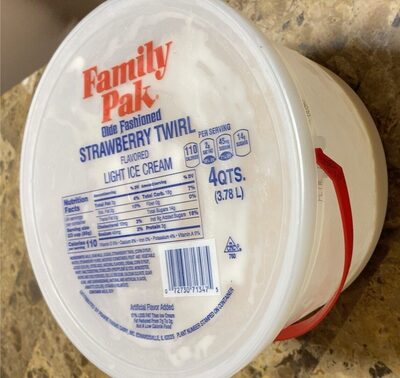 Prairie Farms Dairy, Inc.
Olde Fashioned Strawberry Twirl Flavored Light Ice Cream, Strawberry Twirl
129kcal
3.5Protein
3.5Fat
21.2Carbs
Prairie Farms Dairy, Inc.
Olde Fashioned Strawberry Twirl Flavored Light Ice Cream, Strawberry Twirl
129kcal
3.5Protein
3.5Fat
21.2Carbs