Cellulose And Psyllium Fiber
Auto-generated content. This description was generated automatically and is pending editorial review. Inaccuracies are possible. Found a mistake? Contact us.
What it is
Cellulose and psyllium fiber are both types of dietary fiber. Cellulose is a plant-based fiber that is a major component of plant cell walls. Psyllium fiber comes from the seeds of the Plantago ovata plant. Both are typically processed to isolate the fiber.
Why it's used
These fibers are often added to foods as bulking agents and to improve texture. They can help create a feeling of fullness and are used in products like pasta, baked goods, and some processed meats. They can also act as thickeners.
Health notes
Cellulose and psyllium are recognized as dietary fibers. The FDA lists cellulose as Generally Recognized As Safe (GRAS) for use in food. Psyllium is also widely used in dietary supplements and foods for its fiber content. Both are considered beneficial for digestive health when consumed as part of a balanced diet. Regulatory bodies like EFSA have evaluated various forms of cellulose and psyllium fiber.
Allergen info
Cellulose and psyllium fiber are not derived from any of the 9 FDA major allergens. They do not contain gluten.
Products containing Cellulose And Psyllium Fiber
Compare products →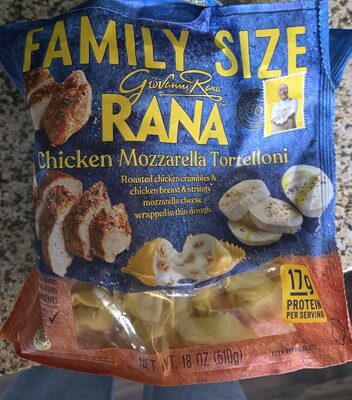 Pastificio Rana SpA
Chicken Mozzarella Tortelloni
High in sodium — 21% DV per serving
High in cholesterol — 25% DV per serving
280kcal
13Protein
8Fat
36Carbs
Mahco Inc
Ravioli, Italian Sausage
High in sodium — 27% DV per serving
High in saturated fat — 25% DV per serving
High in cholesterol — 25% DV per serving
260kcal
12Protein
11Fat
30Carbs
Pastificio Rana SpA
Chicken Mozzarella Tortelloni
High in sodium — 21% DV per serving
High in cholesterol — 25% DV per serving
280kcal
13Protein
8Fat
36Carbs
Mahco Inc
Ravioli, Italian Sausage
High in sodium — 27% DV per serving
High in saturated fat — 25% DV per serving
High in cholesterol — 25% DV per serving
260kcal
12Protein
11Fat
30Carbs
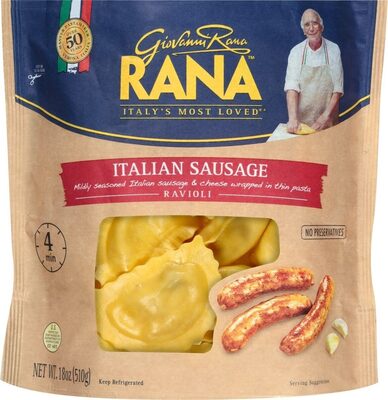 Mahco Inc
Italian Sausage Ravioli Mildly Seasoned Italian Sausage & Cheese Wrapped In Thin Pasta, Italian Sausage
High in sodium — 27% DV per serving
High in saturated fat — 25% DV per serving
High in cholesterol — 25% DV per serving
260kcal
12Protein
11Fat
30Carbs
Mahco Inc
Sausage & Cheese Tortelloni, Sausage & Cheese
High in sodium — 24% DV per serving
High in saturated fat — 25% DV per serving
High in cholesterol — 23% DV per serving
290kcal
12Protein
11Fat
38Carbs
Mahco Inc
Cheese & Uncured Bacon A Blend Of Cheeses & Uncured Smoked Bacon Wrapped In Thin Pasta Ravioli, Cheese & Uncured Bacon
High in sodium — 33% DV per serving
High in saturated fat — 30% DV per serving
High in cholesterol — 35% DV per serving
301kcal
12.4Protein
11.5Fat
32.7Carbs
Mahco Inc
Italian Sausage Ravioli Mildly Seasoned Italian Sausage & Cheese Wrapped In Thin Pasta, Italian Sausage
High in sodium — 27% DV per serving
High in saturated fat — 25% DV per serving
High in cholesterol — 25% DV per serving
260kcal
12Protein
11Fat
30Carbs
Mahco Inc
Sausage & Cheese Tortelloni, Sausage & Cheese
High in sodium — 24% DV per serving
High in saturated fat — 25% DV per serving
High in cholesterol — 23% DV per serving
290kcal
12Protein
11Fat
38Carbs
Mahco Inc
Cheese & Uncured Bacon A Blend Of Cheeses & Uncured Smoked Bacon Wrapped In Thin Pasta Ravioli, Cheese & Uncured Bacon
High in sodium — 33% DV per serving
High in saturated fat — 30% DV per serving
High in cholesterol — 35% DV per serving
301kcal
12.4Protein
11.5Fat
32.7Carbs
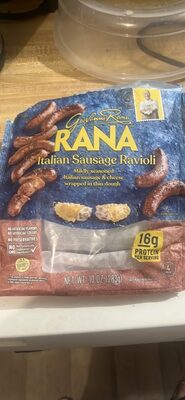 Mahco Inc
Italian Sausage Ravioli
High in sodium — 26% DV per serving
High in saturated fat — 30% DV per serving
High in cholesterol — 23% DV per serving
270kcal
12Protein
12Fat
28Carbs
Mahco Inc
Italian Sausage Ravioli
High in sodium — 26% DV per serving
High in saturated fat — 30% DV per serving
High in cholesterol — 23% DV per serving
270kcal
12Protein
12Fat
28Carbs