Cellulose As Anti-caking Agent
What is Cellulose As Anti-caking Agent?
Cellulose is a natural carbohydrate that makes up the structural component of plant cell walls. It is commonly derived from wood pulp or cotton. For food use, it is typically purified and processed into various forms, such as microcrystalline cellulose.
Is Cellulose As Anti-caking Agent vegan?
Cellulose As Anti-caking Agent is not animal-derived. Products that contain it can still include other animal-derived ingredients, so check the full ingredient list.
Is Cellulose As Anti-caking Agent gluten-free?
It is plant-derived and does not contain gluten.
Is Cellulose As Anti-caking Agent a major allergen?
Not a major allergen.
What is Cellulose As Anti-caking Agent used for?
Cellulose is used as an anti-caking agent to prevent powders from clumping together, especially in shredded cheeses and spice mixes.
Is Cellulose As Anti-caking Agent safe?
Cellulose is Generally Recognized As Safe (GRAS) by the FDA for use in food.
Why it's used
Cellulose is used as an anti-caking agent to prevent powders from clumping together, especially in shredded cheeses and spice mixes. It also functions as a thickener, stabilizer, and source of dietary fiber in various processed foods.
Health notes
Cellulose is Generally Recognized As Safe (GRAS) by the FDA for use in food. It is indigestible by humans and acts as dietary fiber, which can aid digestion. International bodies like JECFA have evaluated cellulose and its derivatives. No significant health concerns are associated with its consumption at typical dietary levels.
Allergen info
Not a major allergen. It is plant-derived and does not contain gluten.
Foods that contain Cellulose As Anti-caking Agent
Compare products →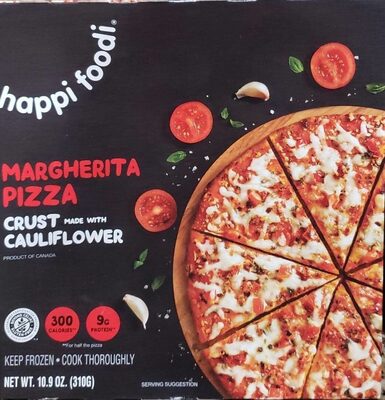 WaffleWaffle, LLC.
Margherita Crust Pizza Made With Cauliflower, Margherita
High in sodium — 31% DV per serving
194kcal
5.8Protein
5.2Fat
32.3Carbs
WaffleWaffle, LLC.
Margherita Crust Pizza Made With Cauliflower, Margherita
High in sodium — 31% DV per serving
194kcal
5.8Protein
5.2Fat
32.3Carbs
 WaffleWaffle, LLC.
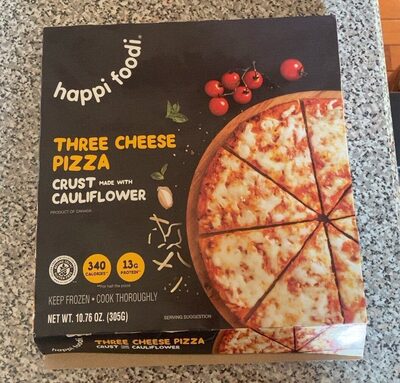
Cauliflower Three Cheese Crust Pizza, Cauliflower
High in sodium — 34% DV per serving
High in saturated fat — 25% DV per serving
222kcal
8.5Protein
7.2Fat
32.0Carbs
Harris-Teeter Inc.
Pesto Chicken Topped With Roasted Tomatoes, Grilled Red Onions & Goat Cheese Gourmet Thin Crust Flatbread Pizza, Pesto Chicken
High in sodium — 40% DV per serving
High in saturated fat — 50% DV per serving
217kcal
12.5Protein
10.9Fat
16.9Carbs
WaffleWaffle, LLC.
Cauliflower Three Cheese Crust Pizza, Cauliflower
High in sodium — 34% DV per serving
High in saturated fat — 25% DV per serving
222kcal
8.5Protein
7.2Fat
32.0Carbs
Harris-Teeter Inc.
Pesto Chicken Topped With Roasted Tomatoes, Grilled Red Onions & Goat Cheese Gourmet Thin Crust Flatbread Pizza, Pesto Chicken
High in sodium — 40% DV per serving
High in saturated fat — 50% DV per serving
217kcal
12.5Protein
10.9Fat
16.9Carbs
Auto-generated content. This description was generated automatically and is pending editorial review. Inaccuracies are possible. Found a mistake? Contact us.