Cheddar And Gouda Cheese
Auto-generated content. This description was generated automatically and is pending editorial review. Inaccuracies are possible. Found a mistake? Contact us.
What it is
Cheddar and Gouda cheese are types of semi-hard or hard cheeses made from cow's milk. They are produced by curdling milk with rennet and cultures, pressing the curds to remove whey, and then aging the cheese for a period ranging from a few months to several years. Cheddar originated in England, while Gouda originated in the Netherlands.
Why it's used
These cheeses are used in packaged foods primarily for their distinct flavor and texture. They contribute a savory, often sharp or nutty taste and a creamy or firm consistency to products. Common applications include flavored snack crackers, chips, pretzels, and various other savory snacks.
Health notes
Cheese, as a food ingredient, is generally recognized as safe (GRAS) by the FDA. It is a source of protein and calcium, but can also contribute saturated fat and sodium to the diet. The Dietary Guidelines for Americans 2025-2030 recommend limiting saturated fat intake to less than 10% of daily calories, and the FDA's Daily Value for sodium is 2,300 mg. JECFA and EFSA do not typically evaluate whole foods like cheese in the same manner as food additives.
Allergen info
This ingredient is derived from milk, which is one of the nine major food allergens identified by the FDA.
Products containing Cheddar And Gouda Cheese
Compare products →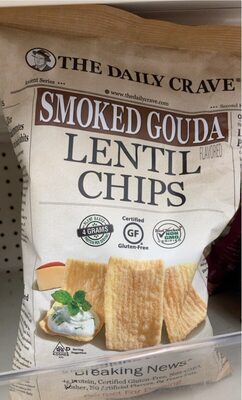 Natural Intentions, Inc.
Smoked Gouda Flavored Lentil Chips, Smoked Gouda
500kcal
14.3Protein
25Fat
57.1Carbs
Natural Intentions, Inc.
Smoked Gouda Flavored Lentil Chips, Smoked Gouda
500kcal
14.3Protein
25Fat
57.1Carbs
 Bel Brands USA Inc.
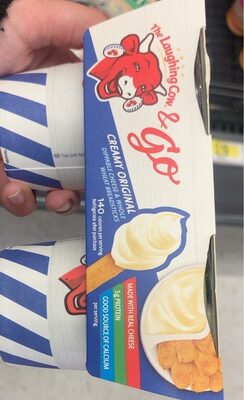
Creamy Original Dippable Cheese & Whole Wheat Breadsticks, Creamy Original
280kcal
10Protein
12Fat
28Carbs
Bel Brands USA Inc.
Creamy Original Dippable Cheese & Whole Wheat Breadsticks, Creamy Original
280kcal
10Protein
12Fat
28Carbs
 Bel Brands USA Inc.
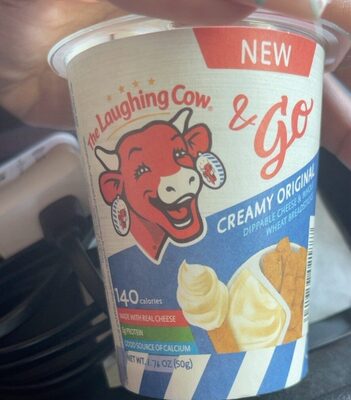
Creamy Original Dippable Cheese & Whole Wheat Breadsticks, Creamy Original
280kcal
10Protein
12Fat
28Carbs
Bel Brands USA Inc.
Red Chili Pepper Spreadable Cheese, Red Chili Pepper
High in saturated fat — 20% DV per serving
233kcal
10Protein
20Fat
3.3Carbs
Bel Brands USA Inc.
Creamy Original Dippable Cheese & Whole Wheat Breadsticks, Creamy Original
280kcal
10Protein
12Fat
28Carbs
Bel Brands USA Inc.
Red Chili Pepper Spreadable Cheese, Red Chili Pepper
High in saturated fat — 20% DV per serving
233kcal
10Protein
20Fat
3.3Carbs