Chees Culture
Auto-generated content. This description was generated automatically and is pending editorial review. Inaccuracies are possible. Found a mistake? Contact us.
What it is
Cheese culture is a starter culture, a collection of microorganisms, typically bacteria, used to produce cheese. These microbes are responsible for the fermentation of lactose (milk sugar) into lactic acid, which is crucial for developing the characteristic flavor, texture, and aroma of cheese. They are grown in a controlled environment and then added to milk during the cheesemaking process.
Why it's used
Manufacturers add cheese cultures to milk to initiate the fermentation process that transforms milk into cheese. They contribute to flavor development, texture, and preservation. Cheese cultures are essential in the production of nearly all types of cheese, including cheddar, mozzarella, and Swiss, as well as in some dairy-based products like yogurt and sour cream.
Health notes
In the U.S., cheese cultures are generally recognized as safe (GRAS) by the FDA when used as intended in food production. They are considered a natural part of the cheesemaking process. International bodies like the Joint FAO/WHO Expert Committee on Food Additives (JECFA) and the European Food Safety Authority (EFSA) have evaluated similar starter cultures, generally finding them safe for consumption. No significant health concerns are associated with the consumption of foods containing cheese cultures at typical intake levels.
Allergen info
Cheese cultures are derived from milk, making them a dairy product. While not one of the 9 FDA major allergens on its own, they are a component of milk, which is a major allergen. They do not contain gluten.
Products containing Chees Culture
Compare products →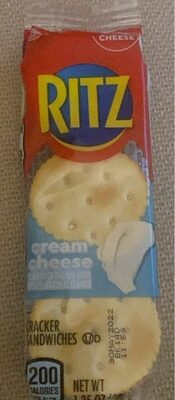 Nabisco Biscuit Company
Cream Cheese Flavored Filling Cracker Sandwiches, Cream Cheese,
526kcal
5.3Protein
31.6Fat
57.9Carbs
Safeway, Inc.
Pepperoni Rising Crust Pizza, Pepperoni
High in sodium — 42% DV per serving
High in saturated fat — 30% DV per serving
250kcal
9.3Protein
10Fat
29.3Carbs
Nabisco Biscuit Company
Cream Cheese Flavored Filling Cracker Sandwiches, Cream Cheese,
526kcal
5.3Protein
31.6Fat
57.9Carbs
Safeway, Inc.
Pepperoni Rising Crust Pizza, Pepperoni
High in sodium — 42% DV per serving
High in saturated fat — 30% DV per serving
250kcal
9.3Protein
10Fat
29.3Carbs
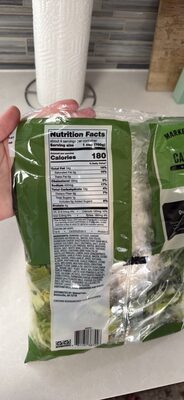 Wal-Mart Stores, Inc.
Caesar Salad Kit, Caesar
180kcal
5Protein
14Fat
10Carbs
Publix Super Markets, Inc.
Pulled Pork With Macaroni & Cheese, Collard Greens & Tangy BBQ Sauce, Pulled Pork With Macaroni & Cheese, Collard Greens & Tangy BBQ
High in sodium — 33% DV per serving
High in saturated fat — 45% DV per serving
High in cholesterol — 42% DV per serving
147kcal
12.1Protein
6.5Fat
9.4Carbs
Wal-Mart Stores, Inc.
Caesar Salad Kit, Caesar
180kcal
5Protein
14Fat
10Carbs
Publix Super Markets, Inc.
Pulled Pork With Macaroni & Cheese, Collard Greens & Tangy BBQ Sauce, Pulled Pork With Macaroni & Cheese, Collard Greens & Tangy BBQ
High in sodium — 33% DV per serving
High in saturated fat — 45% DV per serving
High in cholesterol — 42% DV per serving
147kcal
12.1Protein
6.5Fat
9.4Carbs
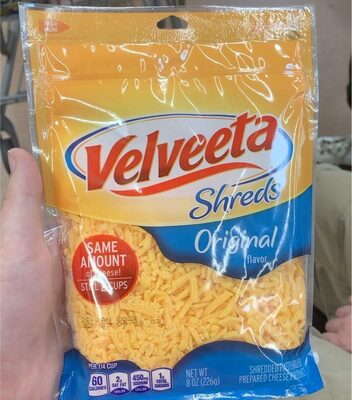 Kraft Heinz Foods Company
Original Shredded Pasteurized Prepared Cheese Product Shreds, Original
High in sodium — 20% DV per serving
214kcal
17.9Protein
10.7Fat
14.3Carbs
Kraft Heinz Foods Company
Original Shredded Pasteurized Prepared Cheese Product Shreds, Original
High in sodium — 20% DV per serving
214kcal
17.9Protein
10.7Fat
14.3Carbs