Cheese Culture Lactic Acid
What is Cheese Culture Lactic Acid?
Cheese culture lactic acid refers to the lactic acid produced by bacteria used in cheese making. These bacteria, called lactic acid bacteria, consume sugars in milk and produce lactic acid as a byproduct. This process is essential for developing the characteristic flavor and texture of many cheeses.
Is Cheese Culture Lactic Acid vegan?
No. Cheese Culture Lactic Acid is animal-derived, so it is not vegan.
Is Cheese Culture Lactic Acid a major allergen?
Not a major allergen.
What is Cheese Culture Lactic Acid used for?
Lactic acid is added to foods as an acidity regulator and flavor enhancer.
Is Cheese Culture Lactic Acid safe?
Lactic acid is generally recognized as safe (GRAS) by the FDA.
Why it's used
Lactic acid is added to foods as an acidity regulator and flavor enhancer. It provides a tangy or sour taste and can also act as a preservative by lowering pH, which inhibits the growth of spoilage microorganisms. It is commonly found in dairy products, baked goods, and pickled vegetables.
Health notes
Lactic acid is generally recognized as safe (GRAS) by the FDA. It is a natural substance produced in the body during exercise and is also found in many foods. Regulatory bodies like JECFA and EFSA have evaluated lactic acid and its salts, generally finding them safe for use in food. There are no significant health controversies associated with its consumption at typical levels.
Allergen info
Not a major allergen. While it is derived from milk cultures, the final lactic acid product is not considered a milk allergen.
Foods that contain Cheese Culture Lactic Acid
Compare products →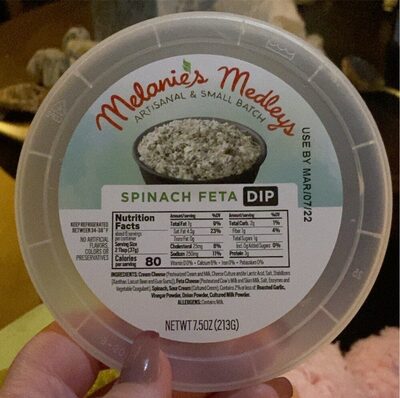 Aldon Food Corporation
Spinach Feta Dip, Spinach Feta
High in saturated fat — 22% DV per serving
216kcal
8.1Protein
18.9Fat
5.4Carbs
Aldon Food Corporation
Spinach Feta Dip, Spinach Feta
High in saturated fat — 22% DV per serving
216kcal
8.1Protein
18.9Fat
5.4Carbs
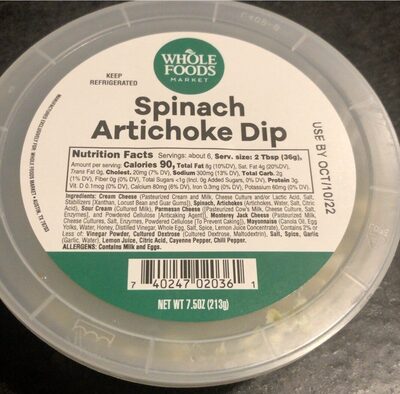 Aldon Food Corporation
Spinach Artichoke Dip, Spinach Artichoke
High in saturated fat — 20% DV per serving
250kcal
—Protein
22.2Fat
5.6Carbs
Rafael Padilla & Cia S. En C.
Jalapeno Cream Cheese, Jalapeno
High in saturated fat — 22% DV per serving
321kcal
7.1Protein
28.6Fat
10.7Carbs
Wawa Incorporated
Taco Bean With Pico De Salsa, Cheese And Crostini Crackers Dip, Taco Bean
High in sodium — 44% DV per serving
High in saturated fat — 40% DV per serving
272kcal
8.8Protein
14.0Fat
26.5Carbs
Aldon Food Corporation
Spinach Artichoke Dip, Spinach Artichoke
High in saturated fat — 20% DV per serving
250kcal
—Protein
22.2Fat
5.6Carbs
Rafael Padilla & Cia S. En C.
Jalapeno Cream Cheese, Jalapeno
High in saturated fat — 22% DV per serving
321kcal
7.1Protein
28.6Fat
10.7Carbs
Wawa Incorporated
Taco Bean With Pico De Salsa, Cheese And Crostini Crackers Dip, Taco Bean
High in sodium — 44% DV per serving
High in saturated fat — 40% DV per serving
272kcal
8.8Protein
14.0Fat
26.5Carbs
Auto-generated content. This description was generated automatically and is pending editorial review. Inaccuracies are possible. Found a mistake? Contact us.