Cheese Culture Salt
What is Cheese Culture Salt?
Cheese culture salt is a blend of cheese cultures and salt. Cheese cultures are specific types of bacteria, and sometimes molds or yeasts, that are used in cheesemaking. Salt, or sodium chloride, is a mineral typically obtained from mines or evaporated seawater. The cultures are grown and then combined with salt to create this ingredient.
Is Cheese Culture Salt vegan?
No. Cheese Culture Salt is animal-derived, so it is not vegan.
Is Cheese Culture Salt a major allergen?
Cheese cultures are often grown using milk-based ingredients, meaning this ingredient may be derived from milk, which is one of the nine major FDA food allergens.
What is Cheese Culture Salt used for?
Manufacturers add cheese culture salt to foods primarily to provide a cheesy flavor and aroma, along with saltiness.
Is Cheese Culture Salt safe?
In the United States, salt (sodium chloride) is generally recognized as safe (GRAS) by the FDA.
Why it's used
Manufacturers add cheese culture salt to foods primarily to provide a cheesy flavor and aroma, along with saltiness. The salt also acts as a flavor enhancer and a preservative. It is commonly found in processed cheese products, pizzas, and various savory snacks.
Health notes
In the United States, salt (sodium chloride) is generally recognized as safe (GRAS) by the FDA. Cheese cultures are also considered GRAS as they are traditional components of cheese. While salt is essential, high sodium intake is a public health concern, and the FDA's daily value for sodium is 2,300 mg. JECFA has evaluated sodium chloride, and cheese cultures are generally assessed for safety in their food applications rather than having a specific acceptable daily intake.
Allergen info
Cheese cultures are often grown using milk-based ingredients, meaning this ingredient may be derived from milk, which is one of the nine major FDA food allergens.
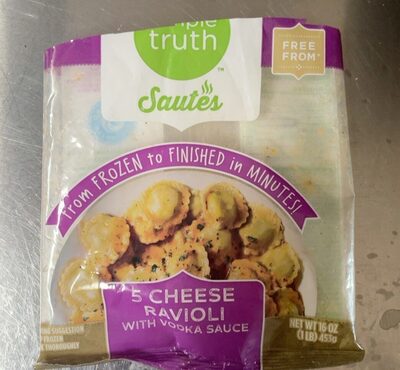
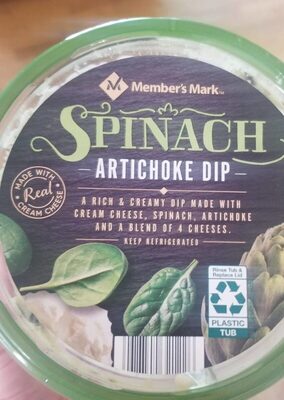
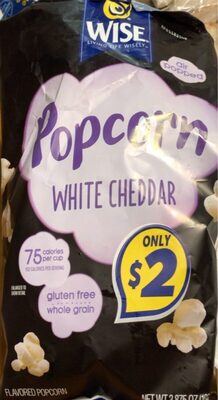
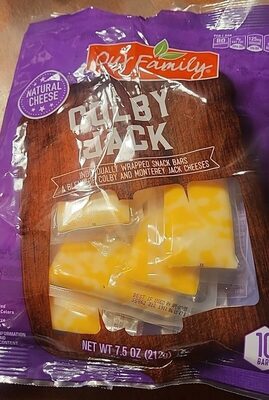
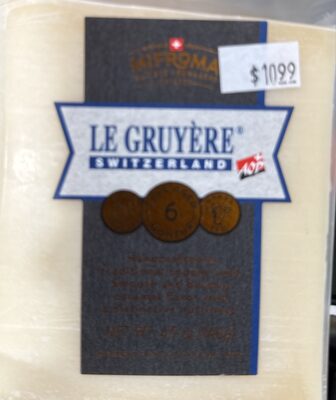
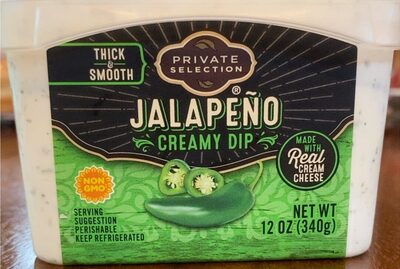
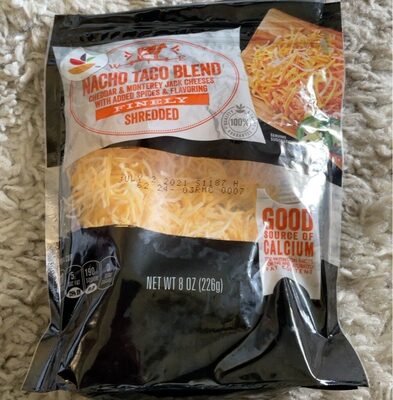
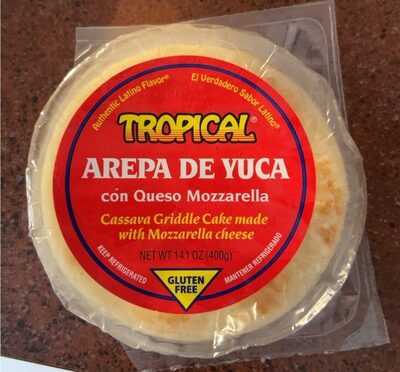
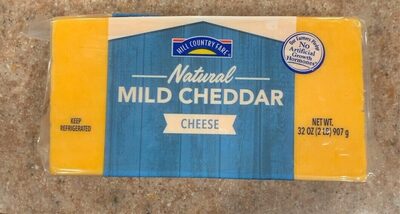
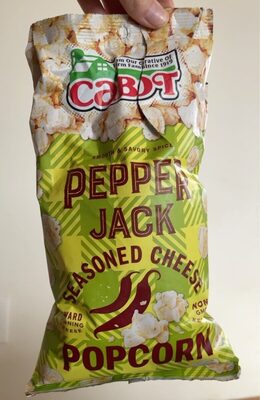
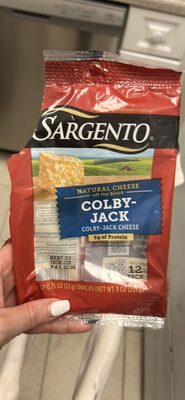
Foods that contain Cheese Culture Salt
Compare products →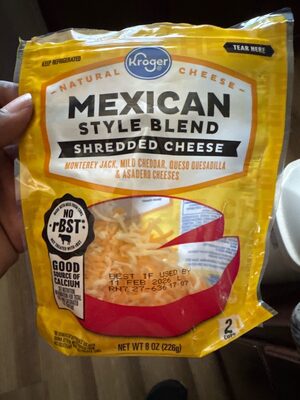
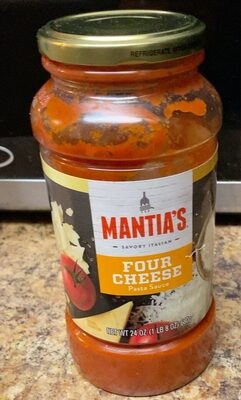
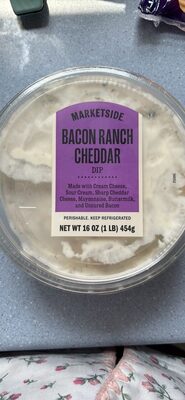
Learn more
Auto-generated content. This description was generated automatically and is pending editorial review. Inaccuracies are possible. Found a mistake? Contact us.