Cheez-it White Cheddar - Enriched Flour
Auto-generated content. This description was generated automatically and is pending editorial review. Inaccuracies are possible. Found a mistake? Contact us.
What it is
Enriched flour is a type of flour, most commonly wheat flour, that has had certain nutrients added back into it after processing. During the milling process that creates white flour, some vitamins and minerals are removed. Enrichment restores these lost nutrients, including iron and B vitamins like folic acid, riboflavin, niacin, and thiamin.
Why it's used
Manufacturers add enriched flour to many baked goods and processed foods to provide structure and texture. It is a primary ingredient in products such as breads, pasta, crackers, cookies, and cereals. The enrichment process helps to improve the nutritional profile of these foods.
Health notes
Enriched flour is a widely used food ingredient and not a food additive in the same regulatory sense. The FDA regulates the enrichment of flour, requiring the addition of specific nutrients to help prevent deficiencies. For example, folic acid enrichment has been shown to reduce the incidence of neural tube defects. There are no major health controversies specifically related to the enrichment process itself, though some dietary guidelines encourage consumption of whole grains over refined grains.
Allergen info
Enriched flour is typically made from wheat, which is one of the nine major food allergens. Individuals with wheat allergies or celiac disease should avoid products containing enriched wheat flour.
Products containing Cheez-it White Cheddar - Enriched Flour
Compare products →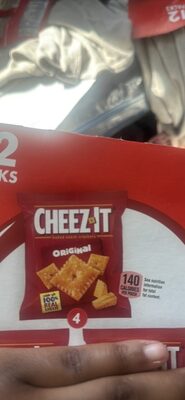 Sunshine Biscuits, Inc.
Original Cheddar Jack White Cheddar Baked Snack Crackers, Cheddar; White Cheddar
517kcal
6.9Protein
24.1Fat
62.1Carbs
Sunshine Biscuits, Inc.
Kellogg's Snacks Mega Variety Pack, 20 Count, 17.4 Oz, White Cheddar
500kcal
10.7Protein
25Fat
57.1Carbs
Sunshine Biscuits, Inc.
Original Cheddar Jack White Cheddar Baked Snack Crackers, Cheddar; White Cheddar
517kcal
6.9Protein
24.1Fat
62.1Carbs
Sunshine Biscuits, Inc.
Kellogg's Snacks Mega Variety Pack, 20 Count, 17.4 Oz, White Cheddar
500kcal
10.7Protein
25Fat
57.1Carbs