Chocolate Shavings
What is Chocolate Shavings?
Chocolate shavings are small pieces or curls of chocolate. They are made by shaving solid chocolate with a knife or a special tool. The type of chocolate used (dark, milk, or white) will determine the flavor and color of the shavings.
Is Chocolate Shavings vegan?
No. Chocolate Shavings is animal-derived, so it is not vegan.
Is Chocolate Shavings a major allergen?
Chocolate itself is not a major allergen.
What is Chocolate Shavings used for?
Manufacturers add chocolate shavings to provide flavor, texture, and visual appeal.
Is Chocolate Shavings safe?
Chocolate shavings are generally recognized as safe (GRAS) by the FDA when used as a food ingredient.
Why it's used
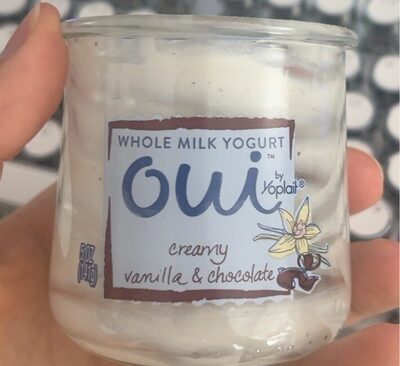
Manufacturers add chocolate shavings to provide flavor, texture, and visual appeal. They are often used as a topping or ingredient in desserts like ice cream, yogurt, cakes, and pastries. They can also be found in hot cocoa mixes.
Health notes
Chocolate shavings are generally recognized as safe (GRAS) by the FDA when used as a food ingredient. They are primarily composed of cocoa solids and sugar, and their health effects are similar to those of chocolate itself. Regulatory bodies like JECFA and EFSA have evaluated cocoa and chocolate products. While chocolate can contain beneficial compounds, it also often contains sugar and fat, so moderation is advised.
Allergen info
Chocolate itself is not a major allergen. However, milk is often an ingredient in milk chocolate shavings, making them a source of a major allergen. Check labels carefully for potential allergens like milk, soy (lecithin), or tree nuts, depending on the specific product.
Foods that contain Chocolate Shavings
Compare products →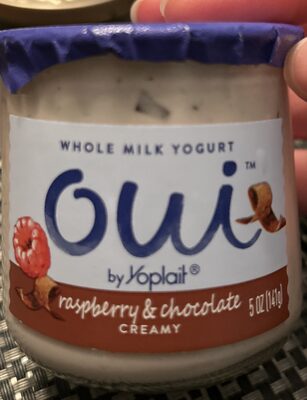

Auto-generated content. This description was generated automatically and is pending editorial review. Inaccuracies are possible. Found a mistake? Contact us.