Chocolatey Coating: Sugar
What is Chocolatey Coating: Sugar?
Sugar is a common carbohydrate found naturally in many plants. It is typically extracted from plants like sugarcane or sugar beets and then refined into the white crystalline form we commonly use. Chemically, it is a disaccharide called sucrose.
Is Chocolatey Coating: Sugar vegan?
Chocolatey Coating: Sugar is not animal-derived. Products that contain it can still include other animal-derived ingredients, so check the full ingredient list.
Is Chocolatey Coating: Sugar a major allergen?
Not a major allergen.
What is Chocolatey Coating: Sugar used for?
Manufacturers add sugar primarily to provide sweetness to foods and beverages.
Is Chocolatey Coating: Sugar safe?
The FDA considers sugar (sucrose) to be Generally Recognized As Safe (GRAS) for its intended use in food.
Why it's used
Manufacturers add sugar primarily to provide sweetness to foods and beverages. It also helps with texture, aids in browning during cooking, and can act as a preservative in products like jams. It is widely used in candies, desserts, soft drinks, and many processed foods.
Health notes
The FDA considers sugar (sucrose) to be Generally Recognized As Safe (GRAS) for its intended use in food. While sugar provides energy, the Dietary Guidelines for Americans (2025-2030) recommend no specific amount of added sugars and suggest consuming at most 10 grams of added sugars per meal. The World Health Organization (WHO) advises limiting free sugars to less than 10% of total energy intake. JECFA has evaluated sugars and determined an acceptable daily intake. Excessive intake of added sugars is a public health concern due to its association with various health issues.
Allergen info
Not a major allergen.
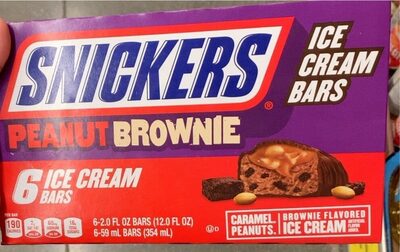
Foods that contain Chocolatey Coating: Sugar
Compare products →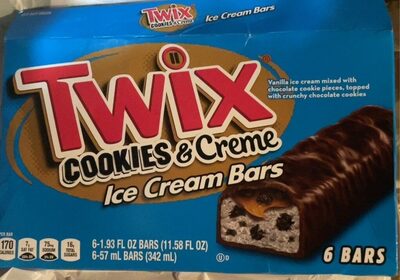


Learn more
Auto-generated content. This description was generated automatically and is pending editorial review. Inaccuracies are possible. Found a mistake? Contact us.