Citric Acid Acidulant
What is Citric Acid Acidulant?
Citric acid is a weak organic acid found naturally in citrus fruits like lemons and limes. It is commonly produced commercially through the fermentation of a sugar source, such as corn or sugarcane, by a type of mold called Aspergillus niger.
Is Citric Acid Acidulant vegan?
Citric Acid Acidulant is not animal-derived. Products that contain it can still include other animal-derived ingredients, so check the full ingredient list.
Is Citric Acid Acidulant gluten-free?
Citric acid is not derived from any of the nine FDA major allergens and does not contain gluten.
What is Citric Acid Acidulant used for?
Manufacturers add citric acid to foods and beverages primarily to act as an acidulant, providing a tart or sour taste.
Is Citric Acid Acidulant safe?
Citric acid is Generally Recognized As Safe (GRAS) by the U.S. Food and Drug Administration (FDA) for use in food.
Why it's used
Manufacturers add citric acid to foods and beverages primarily to act as an acidulant, providing a tart or sour taste. It also functions as a preservative by inhibiting microbial growth and as an antioxidant to prevent spoilage. It is frequently found in jams, jellies, candies, soft drinks, and processed fruits.
Health notes
Citric acid is Generally Recognized As Safe (GRAS) by the U.S. Food and Drug Administration (FDA) for use in food. International bodies like JECFA and EFSA have evaluated citric acid and established acceptable daily intakes. At typical consumption levels found in food, it is not associated with adverse health effects. Some research suggests it may play a role in energy metabolism.
Allergen info
Citric acid is not derived from any of the nine FDA major allergens and does not contain gluten.
Foods that contain Citric Acid Acidulant
Compare products →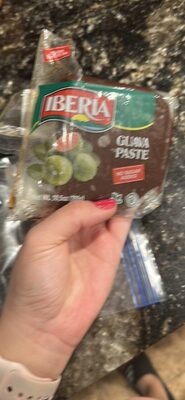 Iberia Foods Corporation
Guava Paste, Guava
172kcal
0Protein
0Fat
40Carbs
Iberia Foods Corporation
Guava Paste, Guava
172kcal
0Protein
0Fat
40Carbs
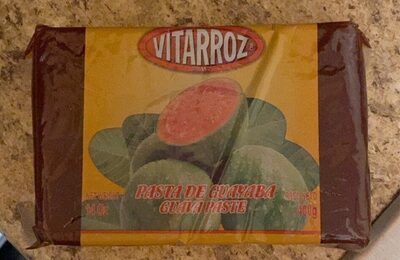 Vitarroz International Foods LLC
Vitarroz Guava Paste, 14 Oz
High in added sugars — 40% DV per serving
310kcal
0Protein
0Fat
76.7Carbs
Vitarroz International Foods LLC
Vitarroz Guava Paste, 14 Oz
High in added sugars — 40% DV per serving
310kcal
0Protein
0Fat
76.7Carbs
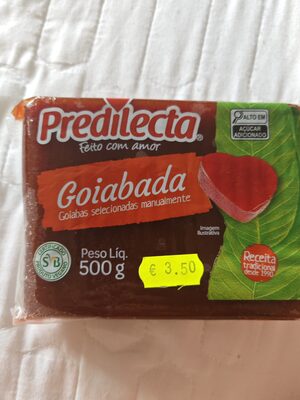 Mayron's Goods, Inc.
Predilecta Guava Paste, 17.64 Oz
High in added sugars — 40% DV per serving
350kcal
0Protein
0Fat
86.7Carbs
Mayron's Goods, Inc.
Predilecta Guava Paste, 17.64 Oz
High in added sugars — 40% DV per serving
350kcal
0Protein
0Fat
86.7Carbs
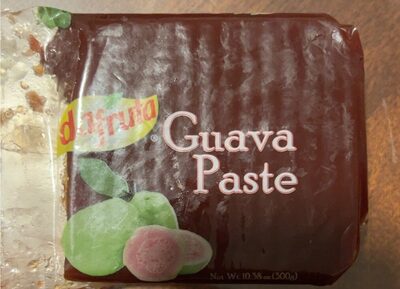 Liberty Imports
Guava Paste
High in added sugars — 40% DV per serving
300kcal
0Protein
0Fat
76.7Carbs
Liberty Imports
Guava Paste
High in added sugars — 40% DV per serving
300kcal
0Protein
0Fat
76.7Carbs
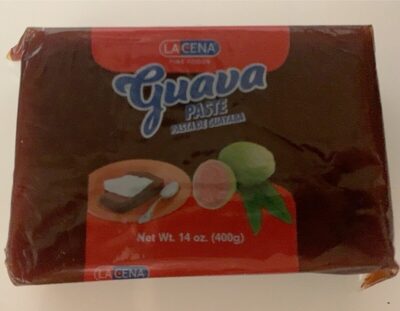 La Cena Fine Foods, Ltd.
La Cena Guava Paste, 14 Oz
High in added sugars — 40% DV per serving
310kcal
0Protein
0Fat
76.7Carbs
La Cena Fine Foods, Ltd.
La Cena Guava Paste, 14 Oz
High in added sugars — 40% DV per serving
310kcal
0Protein
0Fat
76.7Carbs
 Mango Flavored Juice Blend Drink
High in added sugars — 36% DV per serving
38kcal
0Protein
0Fat
9.2Carbs
Madame Gougousse Foods Corp.
La Triguea Guava Paste, 10.38 Oz
High in added sugars — 40% DV per serving
310kcal
0Protein
0Fat
76.7Carbs
Mango Flavored Juice Blend Drink
High in added sugars — 36% DV per serving
38kcal
0Protein
0Fat
9.2Carbs
Madame Gougousse Foods Corp.
La Triguea Guava Paste, 10.38 Oz
High in added sugars — 40% DV per serving
310kcal
0Protein
0Fat
76.7Carbs
Auto-generated content. This description was generated automatically and is pending editorial review. Inaccuracies are possible. Found a mistake? Contact us.