Citric Acid And Mixed Tocopherols
Auto-generated content. This description was generated automatically and is pending editorial review. Inaccuracies are possible. Found a mistake? Contact us.
What it is
Citric acid is a weak organic acid found naturally in citrus fruits like lemons and oranges. It is commercially produced through the fermentation of carbohydrates by specific molds, primarily Aspergillus niger. Mixed tocopherols are a form of vitamin E, a fat-soluble nutrient naturally found in vegetable oils, nuts, and seeds.
Why it's used
Citric acid is used as an acidity regulator, flavoring agent, and preservative in a wide variety of foods and beverages. Mixed tocopherols are primarily used as antioxidants to prevent fats and oils from becoming rancid, extending the shelf life of products. They are often found in processed foods containing fats and oils, such as salad dressings and frozen meals.
Health notes
Citric acid is Generally Recognized As Safe (GRAS) by the FDA for use in food. It is considered safe when consumed in amounts typically found in food. JECFA and EFSA have evaluated citric acid and established acceptable daily intakes. Mixed tocopherols are also considered safe and are a source of vitamin E. The FDA lists mixed tocopherols as GRAS. No significant health concerns are associated with typical dietary intake of either ingredient.
Allergen info
Neither citric acid nor mixed tocopherols are derived from any of the 9 FDA major allergens. They do not contain gluten.
Products containing Citric Acid And Mixed Tocopherols
Compare products →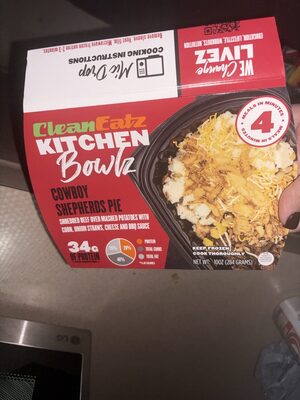 CE Kitchen Inc
Cowboy Shepherds Pie, Cowboy Shepherds
High in sodium — 35% DV per serving
123kcal
9.5Protein
3.9Fat
12.3Carbs
CE Kitchen Inc
Cowboy Shepherds Pie, Cowboy Shepherds
High in sodium — 35% DV per serving
123kcal
9.5Protein
3.9Fat
12.3Carbs
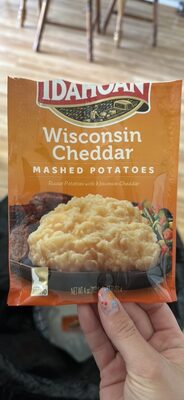 Idahoan Foods, LLC
Wisconsin Cheddar Mashed Potatoes, Wisconsin Cheddar
High in sodium — 22% DV per serving
36kcal
10.7Protein
7.1Fat
71.4Carbs
Idahoan Foods, LLC
Wisconsin Cheddar Mashed Potatoes, Wisconsin Cheddar
High in sodium — 22% DV per serving
36kcal
10.7Protein
7.1Fat
71.4Carbs
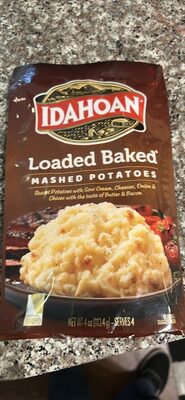 Idahoan Foods, LLC
Loaded Baked Mashed Potatoes With Sour Cream, Cheeses, Onion & Chives With The Taste Of Butter & Bacon, Loaded Baked
High in sodium — 22% DV per serving
393kcal
10.7Protein
8.9Fat
67.9Carbs
Idahoan Foods, LLC
Loaded Baked Mashed Potatoes With Sour Cream, Cheeses, Onion & Chives With The Taste Of Butter & Bacon, Loaded Baked
High in sodium — 22% DV per serving
393kcal
10.7Protein
8.9Fat
67.9Carbs
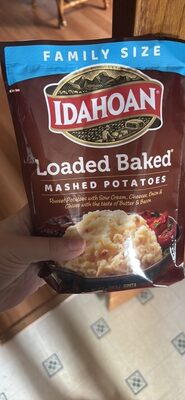 Idahoan Foods, LLC
Loaded Baked Mashed Potatoes With Sour Cream, Cheeses, Onion & Chives With The Taste Of Butter & Bacon, Loaded Baked
High in sodium — 22% DV per serving
393kcal
10.7Protein
8.9Fat
67.9Carbs
Idahoan Foods, LLC
Loaded Baked Mashed Potatoes With Sour Cream, Cheeses, Onion & Chives With The Taste Of Butter & Bacon, Loaded Baked
High in sodium — 22% DV per serving
393kcal
10.7Protein
8.9Fat
67.9Carbs
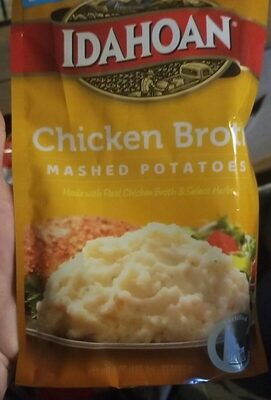 Idahoan Foods, LLC
Chicken Broth Mashed Potatoes, Chicken
High in sodium — 21% DV per serving
393kcal
10.7Protein
7.1Fat
71.4Carbs
Idahoan Foods, LLC
Chicken Broth Mashed Potatoes, Chicken
High in sodium — 21% DV per serving
393kcal
10.7Protein
7.1Fat
71.4Carbs