Citric Acid To Protect Flavor
What is Citric Acid To Protect Flavor?
Citric acid is a weak organic acid that occurs naturally in citrus fruits like lemons and limes. It is commercially produced by fermenting a sugar source, typically from corn or sugarcane, using a specific strain of mold (Aspergillus niger). This process yields a highly pure, crystalline powder.
Is Citric Acid To Protect Flavor vegan?
Citric Acid To Protect Flavor is not animal-derived. Products that contain it can still include other animal-derived ingredients, so check the full ingredient list.
Is Citric Acid To Protect Flavor gluten-free?
It does not contain gluten.
Is Citric Acid To Protect Flavor a major allergen?
Citric acid is not derived from any of the nine FDA major allergens.
What is Citric Acid To Protect Flavor used for?
Manufacturers add citric acid primarily to regulate acidity and enhance flavor in foods and beverages.
Is Citric Acid To Protect Flavor safe?
Citric acid is Generally Recognized As Safe (GRAS) by the FDA for use in food.
Why it's used
Manufacturers add citric acid primarily to regulate acidity and enhance flavor in foods and beverages. It acts as a preservative by inhibiting microbial growth and can also be used as an antioxidant to prevent spoilage and maintain color. It is commonly found in jams, jellies, candies, soft drinks, and canned fruits and vegetables.
Health notes
Citric acid is Generally Recognized As Safe (GRAS) by the FDA for use in food. It is a common component of human metabolism and is considered safe when consumed in typical amounts found in food. International bodies like JECFA and EFSA have evaluated citric acid and found it safe for consumption. There are no widespread health controversies associated with its use at normal dietary levels.
Allergen info
Citric acid is not derived from any of the nine FDA major allergens. It does not contain gluten.
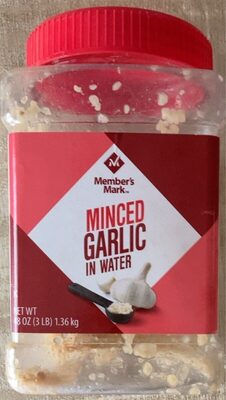
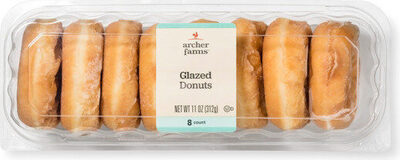
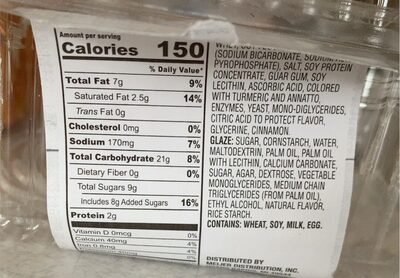
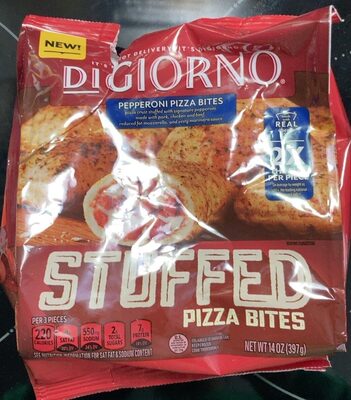
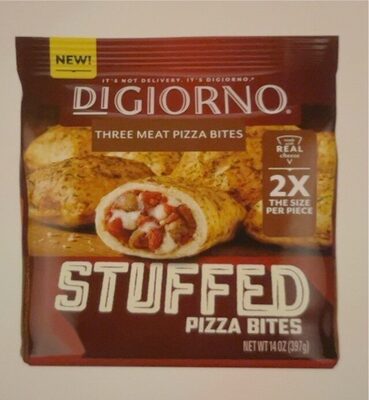
Foods that contain Citric Acid To Protect Flavor
Compare products →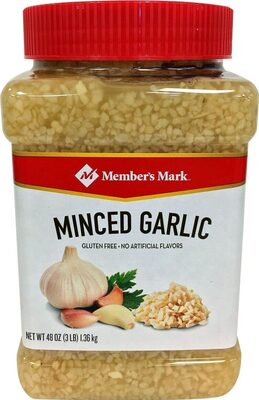
Auto-generated content. This description was generated automatically and is pending editorial review. Inaccuracies are possible. Found a mistake? Contact us.