Citric And Tartaric Acid
What is Citric And Tartaric Acid?
Citric acid is a weak organic acid found naturally in citrus fruits like lemons and limes. Tartaric acid is also a naturally occurring organic acid found in grapes, bananas, and tamarinds. Both are commonly produced commercially through the fermentation of carbohydrates by microorganisms.
Is Citric And Tartaric Acid vegan?
Citric And Tartaric Acid is not animal-derived. Products that contain it can still include other animal-derived ingredients, so check the full ingredient list.
Is Citric And Tartaric Acid gluten-free?
They do not contain gluten.
Is Citric And Tartaric Acid a major allergen?
Citric acid and tartaric acid are not derived from any of the nine major allergens.
What is Citric And Tartaric Acid used for?
These acids are frequently used as acidity regulators and flavor enhancers in a wide variety of foods and beverages.
Is Citric And Tartaric Acid safe?
Citric acid and tartaric acid are generally recognized as safe (GRAS) by the FDA for use in food.
Why it's used
These acids are frequently used as acidity regulators and flavor enhancers in a wide variety of foods and beverages. They provide a tart or sour taste, help preserve food by lowering pH, and can act as antioxidants.
Health notes
Citric acid and tartaric acid are generally recognized as safe (GRAS) by the FDA for use in food. They are common components of the diet and are metabolized by the body. International bodies like JECFA and EFSA have evaluated these substances and found them to be safe for consumption at typical levels. There are no widespread controversies regarding their use in food.
Allergen info
Citric acid and tartaric acid are not derived from any of the nine major allergens. They do not contain gluten.
Foods that contain Citric And Tartaric Acid
Compare products →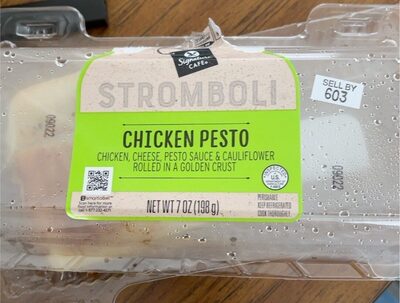 Safeway, Inc.
Chicken Pesto Chicken, Cheese, Pesto Sauce & Cauliflower Rolled In A Golden Crust Stromboli, Chicken Pesto
High in sodium — 43% DV per serving
High in saturated fat — 22% DV per serving
222kcal
12.1Protein
6.1Fat
29.3Carbs
Safeway, Inc.
Chicken Pesto Chicken, Cheese, Pesto Sauce & Cauliflower Rolled In A Golden Crust Stromboli, Chicken Pesto
High in sodium — 43% DV per serving
High in saturated fat — 22% DV per serving
222kcal
12.1Protein
6.1Fat
29.3Carbs
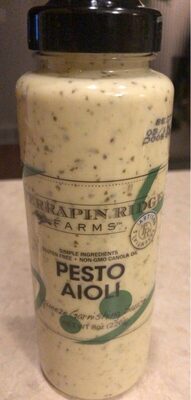 Terrapin Ridge Farms LLC
Pesto Aioli Squeeze Garnishing Sauce, Pesto Aioli
500kcal
0Protein
57.1Fat
0Carbs
Terrapin Ridge Farms LLC
Bacon Aioli Squeeze Garnishing Sauce, Bacon Aioli
571kcal
0Protein
64.3Fat
7.1Carbs
Terrapin Ridge Farms LLC
Pesto Aioli Squeeze Garnishing Sauce, Pesto Aioli
500kcal
0Protein
57.1Fat
0Carbs
Terrapin Ridge Farms LLC
Bacon Aioli Squeeze Garnishing Sauce, Bacon Aioli
571kcal
0Protein
64.3Fat
7.1Carbs
Auto-generated content. This description was generated automatically and is pending editorial review. Inaccuracies are possible. Found a mistake? Contact us.