Cocoa Liquor Sugar
What is Cocoa Liquor Sugar?
Cocoa liquor, also known as cocoa mass or chocolate liquor, is made by grinding roasted cacao beans into a paste. This paste contains both the cocoa solids and cocoa butter naturally present in the beans. When combined with sugar, it forms the fundamental base for chocolate products, providing both the characteristic chocolate flavor and sweetness.
Is Cocoa Liquor Sugar a major allergen?
Not a major allergen.
What is Cocoa Liquor Sugar used for?
This combination of cocoa liquor and sugar is primarily used to create chocolate, especially dark chocolate, where it contributes the rich chocolate taste and desired level of sweetness.
Is Cocoa Liquor Sugar safe?
Cocoa liquor is generally recognized as safe (GRAS) by the FDA.
Why it's used
This combination of cocoa liquor and sugar is primarily used to create chocolate, especially dark chocolate, where it contributes the rich chocolate taste and desired level of sweetness. It is a key ingredient in many confectionery items, baked goods, and desserts, such as chocolate bars, cookies, and cakes.
Health notes
Cocoa liquor is generally recognized as safe (GRAS) by the FDA. Sugar is also generally recognized as safe (GRAS) by the FDA. The 2025-2030 Dietary Guidelines for Americans recommend no amount of added sugars, and at most 10 grams of added sugars per meal. The World Health Organization (WHO) advises that free sugars should account for less than 10% of total energy intake. JECFA has evaluated sugars and cocoa products.
Allergen info
Not a major allergen.
Foods that contain Cocoa Liquor Sugar
Compare products →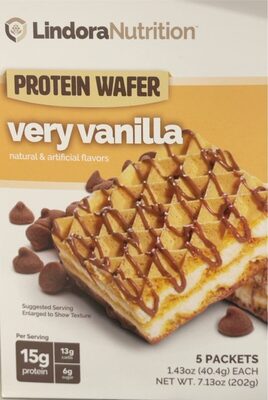 Lindora, Inc.
Dark Chocolate Protein Wafers, Dark Chocolate
High in saturated fat — 30% DV per serving
500kcal
35.7Protein
23.8Fat
33.3Carbs
Lindora, Inc.
Dark Chocolate Protein Wafers, Dark Chocolate
High in saturated fat — 30% DV per serving
500kcal
35.7Protein
23.8Fat
33.3Carbs
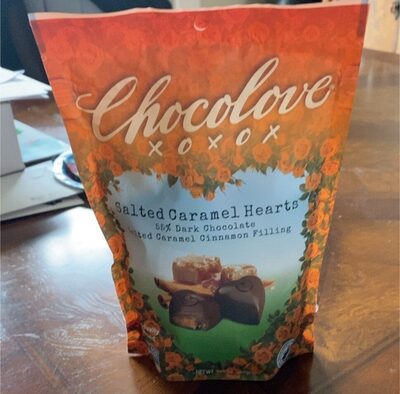 Creative Natural Products, Inc.
Salted Caramel Cinnamon Filling In 55% Dark Chocolate Hearts, Salted Caramel In 55% Dark Chocolate
High in saturated fat — 25% DV per serving
High in added sugars — 28% DV per serving
433kcal
3.3Protein
26.7Fat
56.7Carbs
Creative Natural Products, Inc.
Salted Caramel Cinnamon Filling In 55% Dark Chocolate Hearts, Salted Caramel In 55% Dark Chocolate
High in saturated fat — 25% DV per serving
High in added sugars — 28% DV per serving
433kcal
3.3Protein
26.7Fat
56.7Carbs
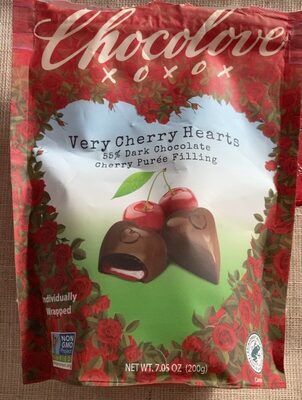 Creative Natural Products, Inc.
Very Cherry Puree Filling In 55% Dark Chocolate Hearts, Very Cherry In 55% Dark Chocolate
High in added sugars — 30% DV per serving
400kcal
3.3Protein
20Fat
60Carbs
Creative Natural Products, Inc.
Very Cherry Puree Filling In 55% Dark Chocolate Hearts, Very Cherry In 55% Dark Chocolate
High in added sugars — 30% DV per serving
400kcal
3.3Protein
20Fat
60Carbs
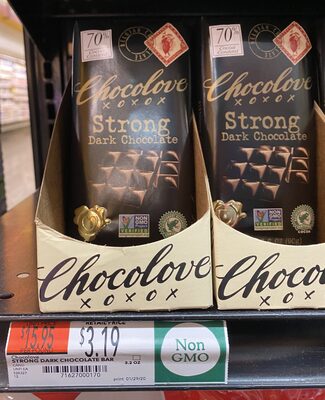 Creative Natural Products, Inc.
Strong Dark Chocolate
High in saturated fat — 40% DV per serving
500kcal
6.7Protein
43.3Fat
46.7Carbs
Creative Natural Products, Inc.
Strong Dark Chocolate
High in saturated fat — 40% DV per serving
500kcal
6.7Protein
43.3Fat
46.7Carbs
Auto-generated content. This description was generated automatically and is pending editorial review. Inaccuracies are possible. Found a mistake? Contact us.