Cocoa Processed With Alkali Salt
Auto-generated content. This description was generated automatically and is pending editorial review. Inaccuracies are possible. Found a mistake? Contact us.
What it is
Cocoa processed with alkali, also known as Dutch-process cocoa, is cocoa powder that has been treated with an alkaline solution. This process reduces the acidity of the cocoa, mellows its flavor, and darkens its color, making it less bitter and smoother than natural cocoa powder.
Why it's used
Manufacturers use cocoa processed with alkali to create a milder chocolate flavor and a deeper, richer color in baked goods and desserts. It is commonly found in ice cream, cookies, biscuits, puddings, and custards.
Health notes
Cocoa processed with alkali is generally recognized as safe (GRAS) by the FDA. The process does not significantly alter the nutritional profile of cocoa. International bodies like JECFA and EFSA have evaluated cocoa and its derivatives, but they have not set specific limits for this processing method. Research on the health effects of cocoa consumption is ongoing, with some studies suggesting potential benefits from antioxidants found in cocoa, though these are present in lower amounts in alkalized cocoa.
Allergen info
Cocoa processed with alkali is not derived from any of the nine major allergens and does not contain gluten.
Products containing Cocoa Processed With Alkali Salt
Compare products →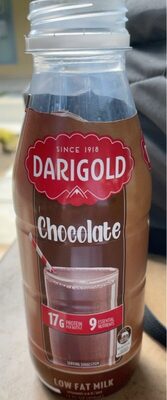 Darigold, Inc.
Chocolate Low Fat Milk, Chocolate
High in added sugars — 56% DV per serving
80kcal
4.3Protein
1.2Fat
13.3Carbs
HP Hood LLC
Dutch Country Cow Chow Reduced Fat Ice Cream Artificially Flavored Corn Cereal Reduced Fat Ice Cream With Pieces Of Chocolaty Sugar Cones And Swirled With Peanut Butter And Chocolate Cookie Crumble, Dutch Country Cow Chow
High in saturated fat — 20% DV per serving
High in added sugars — 28% DV per serving
—kcal
4.5Protein
10.2Fat
31.8Carbs
Darigold, Inc.
Chocolate Low Fat Milk, Chocolate
High in added sugars — 56% DV per serving
80kcal
4.3Protein
1.2Fat
13.3Carbs
HP Hood LLC
Dutch Country Cow Chow Reduced Fat Ice Cream Artificially Flavored Corn Cereal Reduced Fat Ice Cream With Pieces Of Chocolaty Sugar Cones And Swirled With Peanut Butter And Chocolate Cookie Crumble, Dutch Country Cow Chow
High in saturated fat — 20% DV per serving
High in added sugars — 28% DV per serving
—kcal
4.5Protein
10.2Fat
31.8Carbs