Coconut Flesh Pulp
Auto-generated content. This description was generated automatically and is pending editorial review. Inaccuracies are possible. Found a mistake? Contact us.
What it is
Coconut flesh pulp is the white, fleshy part of a mature coconut. It is the edible portion of the coconut fruit, often processed by drying, shredding, or flaking for various food applications. It is also found naturally in fresh coconut water.
Why it's used
Manufacturers use coconut flesh pulp to add texture, flavor, and body to foods. It is commonly found in plant-based beverages, baked goods, desserts, and snacks. It can also be used as a fat source or a fiber ingredient.
Health notes
Coconut flesh pulp is generally recognized as safe (GRAS) by the FDA for food use. It is a source of dietary fiber, healthy fats, and some minerals. International bodies like JECFA have evaluated coconut and its components. Evidence does not suggest adverse health effects from typical consumption levels.
Allergen info
Coconut is not one of the nine major allergens identified by the FDA. It does not contain gluten.
Products containing Coconut Flesh Pulp
Compare products →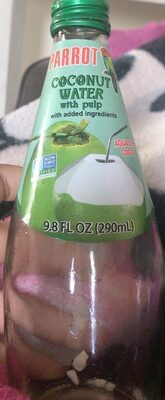 PARROT
Coconut Water With Pulp
High in added sugars — 26% DV per serving
31kcal
0Protein
0Fat
7.2Carbs
Maui and Sons, International
Coconut Water, Lightly Sweetened
33kcal
0Protein
0Fat
7.8Carbs
PARROT
Coconut Water With Pulp
High in added sugars — 26% DV per serving
31kcal
0Protein
0Fat
7.2Carbs
Maui and Sons, International
Coconut Water, Lightly Sweetened
33kcal
0Protein
0Fat
7.8Carbs
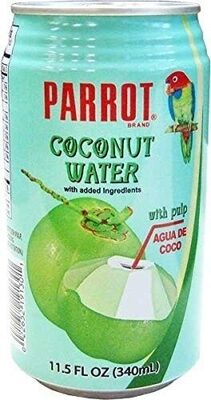 Sun Hing Foods, Inc.
Parrot, Coconut Water
35kcal
0Protein
0Fat
7.9Carbs
Sun Hing Foods, Inc.
Parrot, Coconut Water
35kcal
0Protein
0Fat
7.9Carbs
 Sun Hing Foods, Inc.
Parrot, Coconut Water
33kcal
0Protein
0Fat
7.9Carbs
Maui and Sons, International
Paradise Cove, Coconut Water With Pulp
33kcal
0Protein
0Fat
7.8Carbs
Sun Hing Foods, Inc.
Coconut Water With Added Ingredients With Pulp, Coconut
High in added sugars — 34% DV per serving
44kcal
0.3Protein
0.7Fat
8.8Carbs
Sun Hing Foods, Inc.
Parrot, Coconut Water
33kcal
0Protein
0Fat
7.9Carbs
Maui and Sons, International
Paradise Cove, Coconut Water With Pulp
33kcal
0Protein
0Fat
7.8Carbs
Sun Hing Foods, Inc.
Coconut Water With Added Ingredients With Pulp, Coconut
High in added sugars — 34% DV per serving
44kcal
0.3Protein
0.7Fat
8.8Carbs