Coconut Sap
What is Coconut Sap?
Coconut sap, also called coconut nectar, is a liquid sweetener made from the sap of the coconut palm flower buds. The sap is tapped from the flower and then gently heated to evaporate some of the water, concentrating its natural sugars.
Is Coconut Sap vegan?
Coconut Sap is not animal-derived. Products that contain it can still include other animal-derived ingredients, so check the full ingredient list.
Is Coconut Sap gluten-free?
It is also gluten-free.
Is Coconut Sap a major allergen?
Coconut is not one of the nine major allergens recognized by the FDA.
What is Coconut Sap used for?
Coconut sap is used as a natural sweetener in a variety of food products, offering a slightly caramel-like flavor.
Is Coconut Sap safe?
Coconut sap is generally recognized as safe (GRAS) by the FDA for use as a food ingredient.
Why it's used
Coconut sap is used as a natural sweetener in a variety of food products, offering a slightly caramel-like flavor. It can be found in sauces, dressings, marinades, baked goods, and snacks as a healthier alternative to refined sugars.
Health notes
Coconut sap is generally recognized as safe (GRAS) by the FDA for use as a food ingredient. It is primarily composed of sugars, similar to other sweeteners, and provides some minerals like potassium and iron. JECFA has evaluated coconut sap and did not set a numeric limit (ADI not specified). Like other sweeteners, excessive consumption may contribute to increased calorie intake.
Allergen info
Coconut is not one of the nine major allergens recognized by the FDA. It is also gluten-free.
Foods that contain Coconut Sap
Compare products →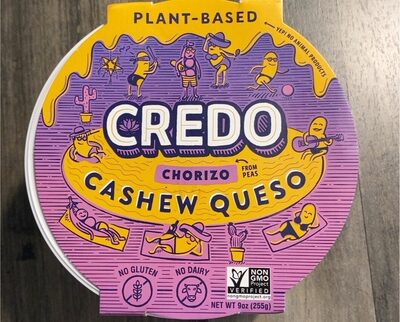
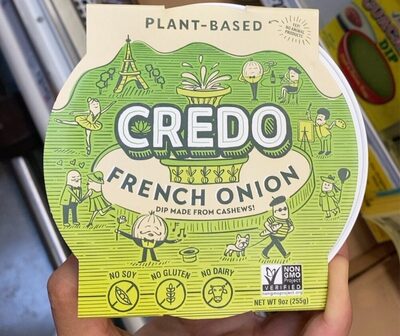
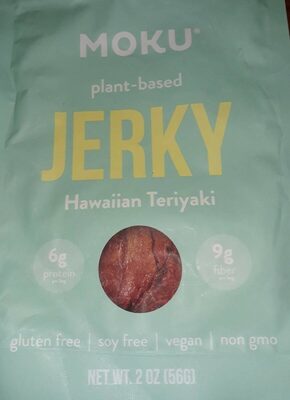
Learn more
Auto-generated content. This description was generated automatically and is pending editorial review. Inaccuracies are possible. Found a mistake? Contact us.