Cognac
What is Cognac?
Cognac is a type of brandy, a distilled spirit made from white grapes primarily grown in the Cognac region of France. It is produced by distilling wine twice in copper pot stills and then aging the resulting spirit in oak barrels for at least two years.
Is Cognac vegan?
Cognac is not animal-derived. Products that contain it can still include other animal-derived ingredients, so check the full ingredient list.
Is Cognac a major allergen?
Not a major allergen.
What is Cognac used for?
In packaged foods, Cognac is primarily used as a flavoring agent to add a complex, aromatic, and often fruity or woody note.
Is Cognac safe?
Cognac is an alcoholic beverage and is regulated as such in the United States.
Why it's used
In packaged foods, Cognac is primarily used as a flavoring agent to add a complex, aromatic, and often fruity or woody note. It is frequently found in savory dishes like sauces for meats, as well as in desserts, chocolates, and some processed meat products.
Health notes
Cognac is an alcoholic beverage and is regulated as such in the United States. When used as a food ingredient, it contributes flavor, and the alcohol content typically evaporates during cooking or is present in very small amounts. The FDA does not classify Cognac as a food additive requiring specific approval or GRAS status for its use as a flavor ingredient in this context. JECFA and EFSA primarily evaluate food additives and do not typically assess alcoholic beverages like Cognac in this manner.
Allergen info
Not a major allergen.
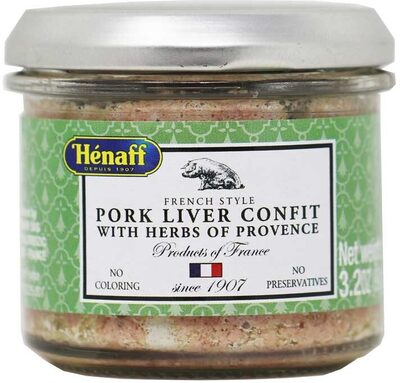
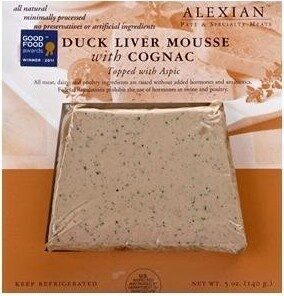
Foods that contain Cognac
Compare products →


Learn more
Auto-generated content. This description was generated automatically and is pending editorial review. Inaccuracies are possible. Found a mistake? Contact us.