Coleslaw Dressing
What is Coleslaw Dressing?
Coleslaw dressing is a creamy sauce used to dress coleslaw, a salad typically made with shredded cabbage and carrots. It is usually made from a base of mayonnaise or sour cream, mixed with vinegar, sugar, and seasonings like mustard and celery seed.
Is Coleslaw Dressing vegan?
No. Coleslaw Dressing is animal-derived, so it is not vegan.
Is Coleslaw Dressing gluten-free?
It does not typically contain gluten.
Is Coleslaw Dressing a major allergen?
Coleslaw dressing may contain major allergens like egg (in mayonnaise) or milk (in sour cream or mayonnaise).
What is Coleslaw Dressing used for?
Manufacturers use coleslaw dressing to add moisture, flavor, and a creamy texture to coleslaw and other salads.
Is Coleslaw Dressing safe?
Coleslaw dressing is generally recognized as safe (GRAS) by the FDA when used as intended.
Why it's used
Manufacturers use coleslaw dressing to add moisture, flavor, and a creamy texture to coleslaw and other salads. It acts as a binder and flavor enhancer, making the vegetables more palatable and extending shelf life by preventing wilting.
Health notes
Coleslaw dressing is generally recognized as safe (GRAS) by the FDA when used as intended. It is a common food ingredient, and no significant health concerns are associated with its typical consumption. International bodies like JECFA have evaluated many of its individual components, such as sugar and vinegar, for safety.
Allergen info
Coleslaw dressing may contain major allergens like egg (in mayonnaise) or milk (in sour cream or mayonnaise). Check the ingredient list for specific allergen information. It does not typically contain gluten.
Foods that contain Coleslaw Dressing
Compare products →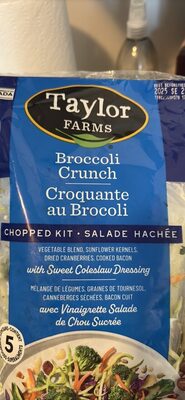
Auto-generated content. This description was generated automatically and is pending editorial review. Inaccuracies are possible. Found a mistake? Contact us.