Collard Greens
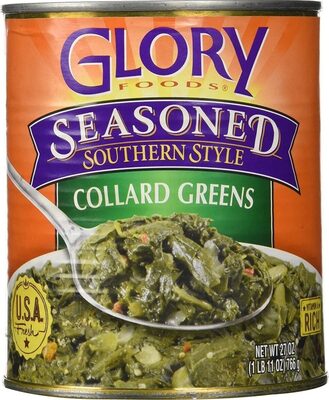
What is Collard Greens?
Collard greens are a type of leafy green vegetable in the cabbage family. They are native to the eastern Mediterranean and Asia Minor. The leaves are typically dark green, tough, and slightly bitter, and are often cooked before eating.
Is Collard Greens vegan?
Collard Greens is not animal-derived. Products that contain it can still include other animal-derived ingredients, so check the full ingredient list.
Is Collard Greens gluten-free?
They do not contain gluten.
Is Collard Greens a major allergen?
Collard greens are not one of the 9 FDA major allergens.
What is Collard Greens used for?
Collard greens are used as a vegetable in many cuisines, particularly in the Southern United States.
Is Collard Greens safe?
Collard greens are a nutrient-dense food, providing vitamins A, C, and K, as well as calcium and fiber.
Why it's used
Collard greens are used as a vegetable in many cuisines, particularly in the Southern United States. They are often simmered with other vegetables, meats, or spices. Manufacturers use them in canned, frozen, and fresh packaged vegetable products.
Health notes
Collard greens are a nutrient-dense food, providing vitamins A, C, and K, as well as calcium and fiber. They are not an additive and do not have a regulatory status with the FDA in the same way as food additives. International bodies like EFSA have evaluated many vegetables for their nutritional properties. Evidence suggests that diets rich in vegetables like collard greens are associated with good health.
Allergen info
Collard greens are not one of the 9 FDA major allergens. They do not contain gluten.
Foods that contain Collard Greens
Compare products →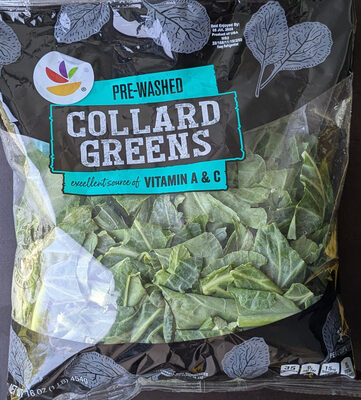
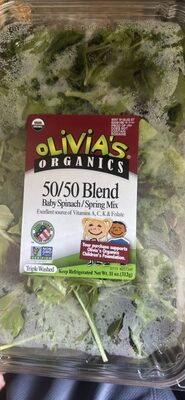
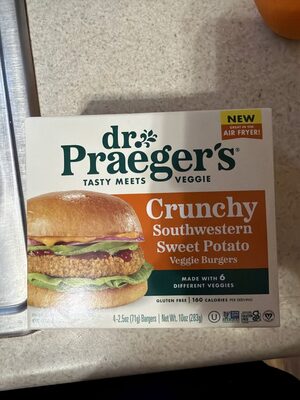
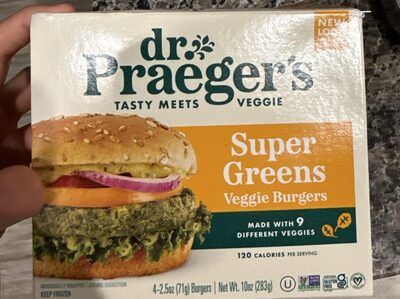
 Dr. Praeger'S
Super Greens Veggie Nuggets, Super Greens Veggie
212kcal
10.6Protein
10.6Fat
18.8Carbs
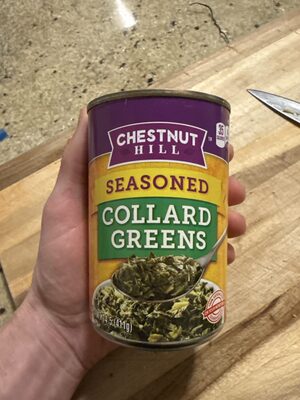
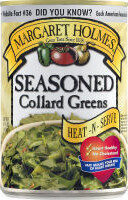
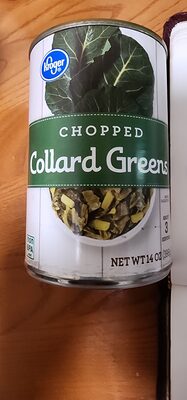
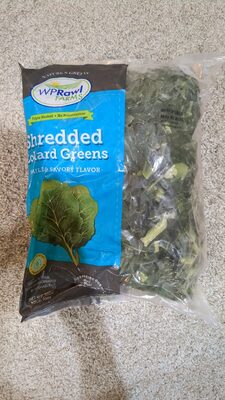 Nature'S Greens
A Mild And Savory Shredded Collards, Mild And Savory
29kcal
2.4Protein
0Fat
5.9Carbs
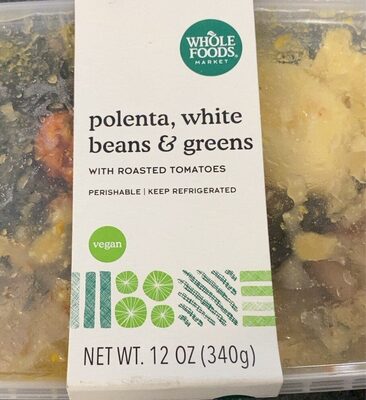
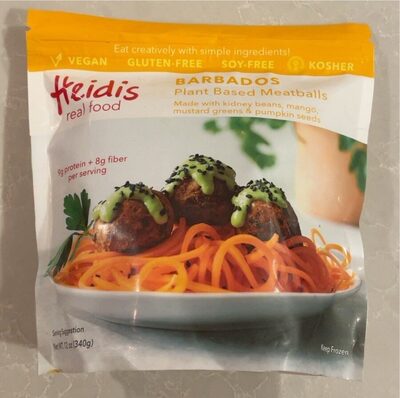
Auto-generated content. This description was generated automatically and is pending editorial review. Inaccuracies are possible. Found a mistake? Contact us.