Color Added Through Feed
What is Color Added Through Feed?
This refers to color added to animal feed, which then transfers to the animal's tissues, such as fat or muscle. The color is often derived from natural sources like marigold petals or synthetic sources, and it is intended to influence the perceived quality or appearance of the final animal product.
Is Color Added Through Feed a major allergen?
This ingredient itself is not a major allergen.
What is Color Added Through Feed used for?
Manufacturers use this technique to impart a specific color to animal products like salmon or poultry, making them appear more appealing to consumers.
Is Color Added Through Feed safe?
The FDA considers color additives used in animal feed to be safe if they are approved for such use and do not cause the animal's meat, milk, or eggs to be adulterated.
Why it's used
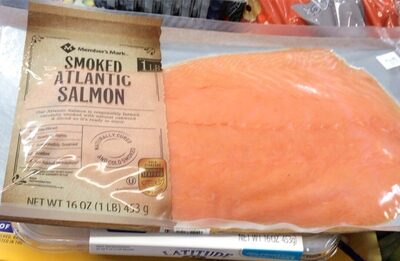
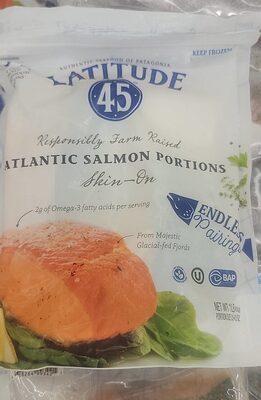
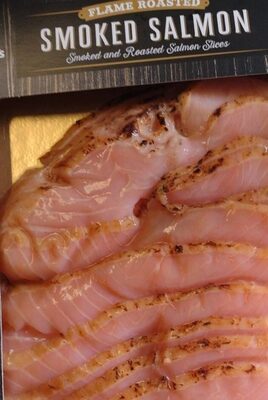
Manufacturers use this technique to impart a specific color to animal products like salmon or poultry, making them appear more appealing to consumers. This practice is most common in fish and seafood, particularly farmed salmon, and also in some frozen meat products.
Health notes
The FDA considers color additives used in animal feed to be safe if they are approved for such use and do not cause the animal's meat, milk, or eggs to be adulterated. The substances used to color feed are generally considered safe when consumed at levels found in food. Regulatory bodies like JECFA and EFSA have evaluated various colorants, but specific health implications at typical dietary intake levels are not a major concern.
Allergen info
This ingredient itself is not a major allergen. However, if the animal consumed feed containing allergens, there's a theoretical, though highly unlikely, risk of transfer.
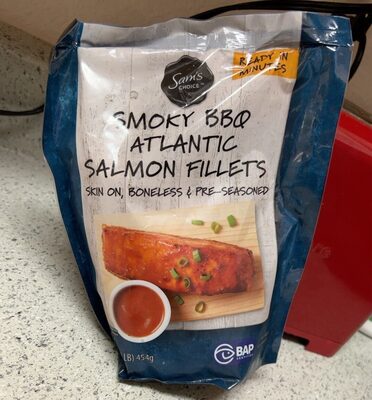
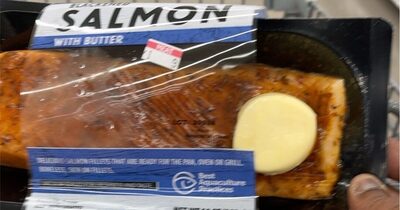
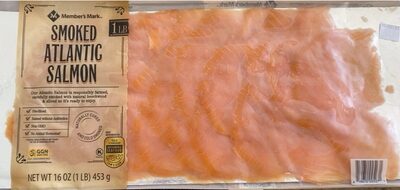
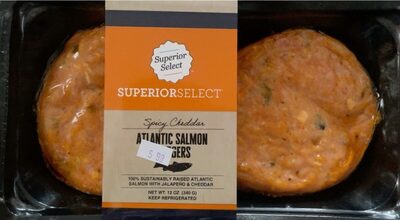
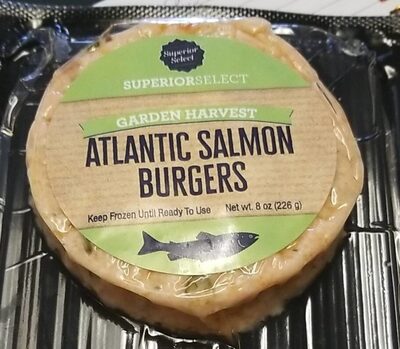
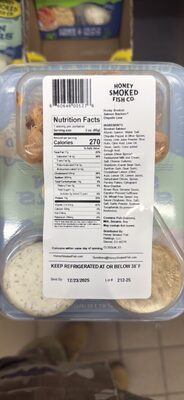
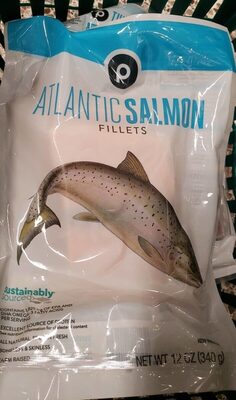
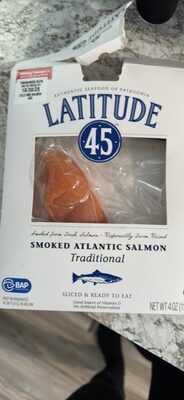
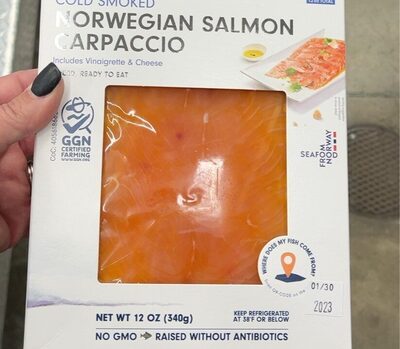
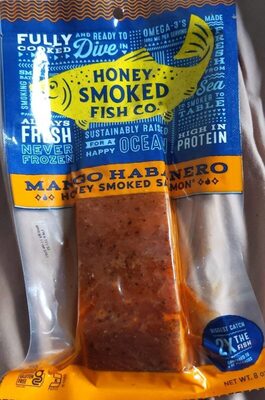
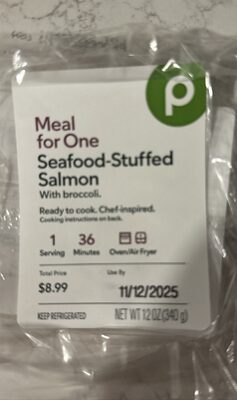
Foods that contain Color Added Through Feed
Compare products →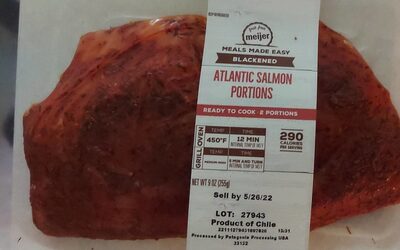
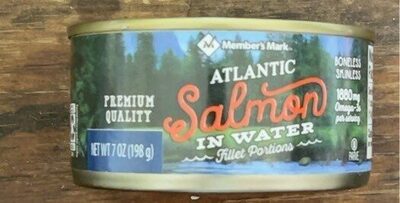
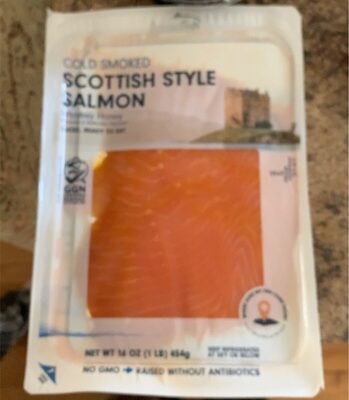
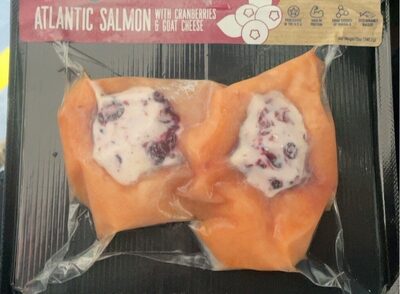
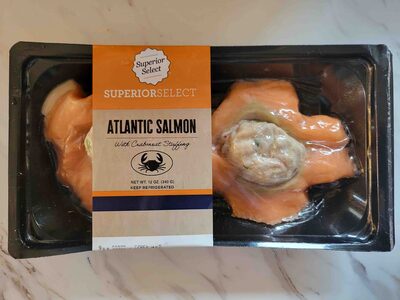
Learn more
Auto-generated content. This description was generated automatically and is pending editorial review. Inaccuracies are possible. Found a mistake? Contact us.