Color Added With Feed
Auto-generated content. This description was generated automatically and is pending editorial review. Inaccuracies are possible. Found a mistake? Contact us.
What it is
This refers to coloring added to animal feed, which is then transferred to the animal's products, such as eggs or milk. The colorants used can be natural or synthetic. The goal is to influence the color of the final food product, like the yolk of an egg or the fat in milk.
Why it's used
Manufacturers add these colors to animal feed to achieve a desired color in animal products. This is often seen in products like eggs, where consumers may associate a deeper yolk color with higher quality or specific hen diets. It can also be used in dairy products to standardize color appearance.
Health notes
The FDA regulates color additives used in food, including those that may be transferred from animal feed. Many color additives are Generally Recognized As Safe (GRAS) or approved for specific uses. International bodies like JECFA and EFSA have evaluated many color additives. Evidence regarding the health effects of consuming these transferred colorants at typical levels is generally considered safe by regulatory bodies.
Allergen info
Not a major allergen. The specific color additives used would determine allergen status, but the 'color added with feed' category itself does not indicate a major allergen.
Products containing Color Added With Feed
Compare products →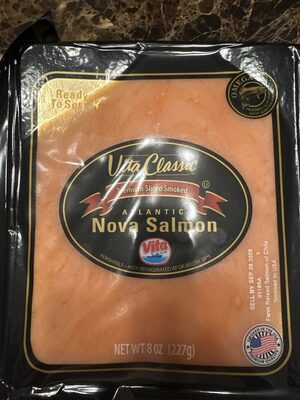 Vita Food Products, Inc.
Premium Sliced Smoked Atlantic Nova Salmon
High in sodium — 28% DV per serving
179kcal
21.4Protein
10.7Fat
0Carbs
Vita Food Products, Inc.
Atlantintic Nova Salmon
High in sodium — 28% DV per serving
179kcal
21.4Protein
10.7Fat
0Carbs
Vita Food Products, Inc.
Premium Sliced Smoked Atlantic Nova Salmon
High in sodium — 28% DV per serving
179kcal
21.4Protein
10.7Fat
0Carbs
Vita Food Products, Inc.
Atlantintic Nova Salmon
High in sodium — 28% DV per serving
179kcal
21.4Protein
10.7Fat
0Carbs