Colorant
What is Colorant?
Colorants are substances added to foods to give them color or to enhance their existing color. They can be derived from natural sources, such as plants, minerals, or insects, or they can be synthetic, meaning they are man-made, often from petroleum. The way colorants are produced varies widely depending on their origin.
Is Colorant a major allergen?
Not a major allergen.
What is Colorant used for?
Manufacturers use colorants to make foods more visually appealing, to replace colors lost during processing, or to ensure a consistent look across batches.
Is Colorant safe?
In the United States, all color additives must be approved by the FDA before they can be used in food.
Why it's used
Manufacturers use colorants to make foods more visually appealing, to replace colors lost during processing, or to ensure a consistent look across batches. They are commonly found in a wide range of products, including baked goods, snack foods, beverages, candies, and processed foods.
Health notes
In the United States, all color additives must be approved by the FDA before they can be used in food. They are regulated either as "certified" (synthetic, requiring batch certification) or "exempt from certification" (often natural). Generally, approved colorants are considered safe at typical intake levels. In January 2025, the FDA revoked the use of Red 3 for food, with manufacturers having until January 2027 to comply. Furthermore, in April 2025, the FDA announced a plan to phase out several petroleum-based synthetic dyes, including Red 40, Yellow 5, Yellow 6, Blue 1, Blue 2, and Green 3. Titanium dioxide remains permitted by the FDA as a food additive, though some international bodies have raised concerns.
Allergen info
Not a major allergen.
Foods that contain Colorant
Compare products →

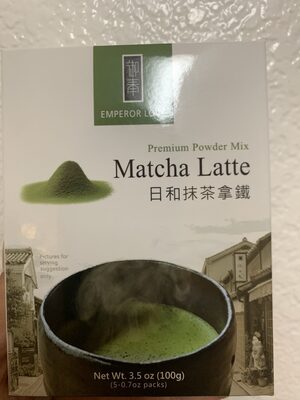 Emperor Love
Matcha Latte
High in added sugars — 24% DV per serving
450kcal
0Protein
12.5Fat
85Carbs
Learn more
Auto-generated content. This description was generated automatically and is pending editorial review. Inaccuracies are possible. Found a mistake? Contact us.