Colori
What is Colori?
Food coloring refers to any substance added to food or drink to change its color. These can be natural, derived from plants, animals, or minerals, or artificial, created synthetically. Artificial colors are typically made through chemical synthesis.
Is Colori a major allergen?
Food colorings themselves are generally not derived from the nine major FDA allergens.
What is Colori used for?
Manufacturers add food coloring to make foods more appealing, to enhance natural colors that might be lost during processing, or to provide a consistent color.
Is Colori safe?
In the US, food colorings are regulated by the FDA.
Why it's used
Manufacturers add food coloring to make foods more appealing, to enhance natural colors that might be lost during processing, or to provide a consistent color. They are commonly found in candies, beverages, baked goods, snacks, and dairy products.
Health notes
In the US, food colorings are regulated by the FDA. Some artificial colors, such as Red 40, Yellow 5, and Yellow 6, require FDA certification before use. The FDA revoked Red 3 for food use in January 2025, with manufacturers having until January 2027 to comply. In April 2025, the FDA announced a plan to phase out petroleum-based synthetic dyes, including Red 40, Yellow 5, Yellow 6, Blue 1, Blue 2, and Green 3. While some studies have suggested a link between certain artificial colors and hyperactivity in children, the FDA states that for most children, there is no proven link. JECFA has evaluated many individual food colors and set acceptable daily intakes for some.
Allergen info
Food colorings themselves are generally not derived from the nine major FDA allergens. However, some natural colorings might be extracted using allergen-containing carriers or solvents.
Foods that contain Colori
Compare products →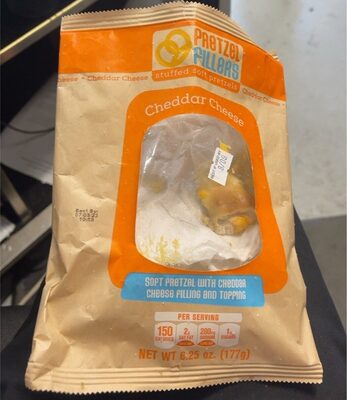
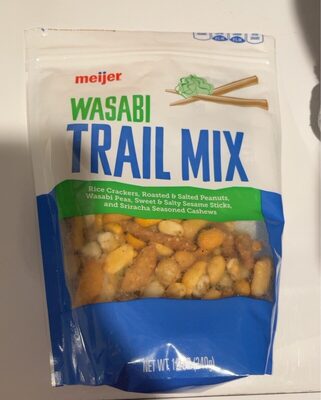
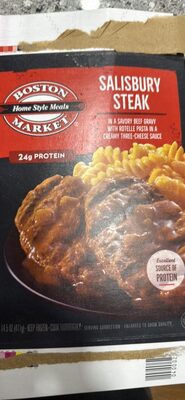
Learn more
Auto-generated content. This description was generated automatically and is pending editorial review. Inaccuracies are possible. Found a mistake? Contact us.