Coloring
Auto-generated content. This description was generated automatically and is pending editorial review. Inaccuracies are possible. Found a mistake? Contact us.
What it is
Coloring is a broad term for any substance added to food to change or enhance its color. These substances can be derived from natural sources, such as plants, minerals, or insects, or they can be synthetic, meaning they are man-made, often from petroleum.
Why it's used
Manufacturers add coloring to food to make it more visually appealing, to replace color lost during processing, or to provide a consistent appearance. It is commonly found in a wide range of products including candies, snacks, beverages, and baked goods.
Health notes
FDA regulates food colorings, which include both natural and synthetic substances. Many synthetic colorings, such as Red 40, Yellow 5, and Blue 1, are classified as 'color additives' and require FDA approval before use. In January 2025, the FDA revoked the approval for Red 3 for use in food, with manufacturers having until January 2027 to comply. Additionally, in April 2025, the FDA announced a plan to phase out petroleum-based synthetic dyes, including Red 40, Yellow 5, Yellow 6, Blue 1, Blue 2, Green 3, Citrus Red 2, and Orange B. JECFA and EFSA have evaluated many individual color additives. Some studies have suggested a link between certain artificial food colorings and hyperactivity in children, though evidence is mixed and more research is ongoing.
Allergen info
Coloring, as a general term, is not a major allergen. However, specific natural colorings may be derived from sources that could be allergens, which would be declared on the label.
Products containing Coloring
Compare products →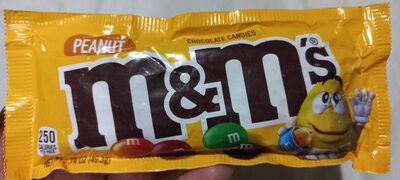 Mars Chocolate North America LLC
Peanuts Made With Real Milk Chocolate, Chocolate Candies.
High in saturated fat — 25% DV per serving
507kcal
10.1Protein
26.4Fat
60.9Carbs
Mars Chocolate North America LLC
Milk Chocolate Candies
492kcal
3.8Protein
18.9Fat
72.0Carbs
OVER THE TOP
Wispy White Ready To Use Vanilla Fondant, Vanilla
High in added sugars — 56% DV per serving
371kcal
0Protein
4.3Fat
85.7Carbs
Mars Chocolate North America LLC
Peanuts Made With Real Milk Chocolate, Chocolate Candies.
High in saturated fat — 25% DV per serving
507kcal
10.1Protein
26.4Fat
60.9Carbs
Mars Chocolate North America LLC
Milk Chocolate Candies
492kcal
3.8Protein
18.9Fat
72.0Carbs
OVER THE TOP
Wispy White Ready To Use Vanilla Fondant, Vanilla
High in added sugars — 56% DV per serving
371kcal
0Protein
4.3Fat
85.7Carbs
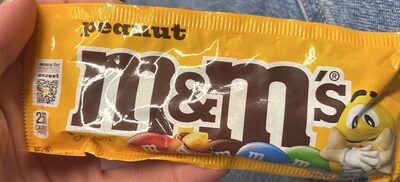 Mars Chocolate North America LLC
M&M's, Chocolate Candies, Peanut, Peanut
High in saturated fat — 25% DV per serving
507kcal
10.1Protein
26.4Fat
60.9Carbs
Mars Chocolate North America LLC
M&M's, Chocolate Candies, Peanut, Peanut
High in saturated fat — 25% DV per serving
507kcal
10.1Protein
26.4Fat
60.9Carbs