Colza Oil
What is Colza Oil?
Colza oil, more commonly known as canola oil in the U.S., is a vegetable oil derived from the seeds of the rapeseed plant. The plant has been selectively bred to reduce levels of erucic acid and glucosinolates, making the oil safe for consumption. It is typically extracted through pressing the seeds and then refining the oil.
Is Colza Oil vegan?
Colza Oil is not animal-derived. Products that contain it can still include other animal-derived ingredients, so check the full ingredient list.
Is Colza Oil gluten-free?
It does not contain gluten.
Is Colza Oil a major allergen?
Canola oil is not derived from any of the nine major allergens recognized by the FDA.
What is Colza Oil used for?
Manufacturers use canola oil for its neutral flavor and versatility in cooking and baking.
Is Colza Oil safe?
Canola oil is generally recognized as safe (GRAS) by the FDA.
Why it's used
Manufacturers use canola oil for its neutral flavor and versatility in cooking and baking. It acts as a fat or oil, providing moisture and tenderness in baked goods like cookies, muffins, and pastries. It's also used in batters for pancakes and waffles.
Health notes
Canola oil is generally recognized as safe (GRAS) by the FDA. It is a source of monounsaturated and polyunsaturated fats, including omega-3 fatty acids. Regulatory bodies like EFSA have evaluated rapeseed oil, and JECFA has established an acceptable daily intake. Evidence does not suggest adverse health effects from consuming canola oil at typical dietary levels.
Allergen info
Canola oil is not derived from any of the nine major allergens recognized by the FDA. It does not contain gluten.
Foods that contain Colza Oil
Compare products →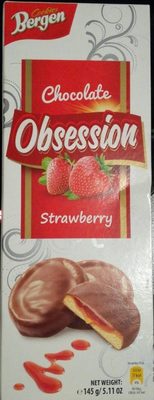 COOKIES BERGEN
Obsession Cookies
444kcal
5.6Protein
16.7Fat
66.7Carbs
Mountain Waffle Co., LLC
Liege Belgian Chocolate Chip Waffles, Liege Belgian Chocolate Chip
High in saturated fat — 55% DV per serving
High in added sugars — 46% DV per serving
433kcal
6.7Protein
22.2Fat
55.6Carbs
Wal-Mart Stores, Inc.
Spinach & Ricotta Flaky Pastry With A Savory Spinach And Ricotta Filling, Spinach & Ricotta
High in sodium — 23% DV per serving
High in saturated fat — 40% DV per serving
371kcal
10.1Protein
20.2Fat
36.0Carbs
COOKIES BERGEN
Obsession Cookies
444kcal
5.6Protein
16.7Fat
66.7Carbs
Mountain Waffle Co., LLC
Liege Belgian Chocolate Chip Waffles, Liege Belgian Chocolate Chip
High in saturated fat — 55% DV per serving
High in added sugars — 46% DV per serving
433kcal
6.7Protein
22.2Fat
55.6Carbs
Wal-Mart Stores, Inc.
Spinach & Ricotta Flaky Pastry With A Savory Spinach And Ricotta Filling, Spinach & Ricotta
High in sodium — 23% DV per serving
High in saturated fat — 40% DV per serving
371kcal
10.1Protein
20.2Fat
36.0Carbs
Learn more
Auto-generated content. This description was generated automatically and is pending editorial review. Inaccuracies are possible. Found a mistake? Contact us.