Confectionary Glaze
What is Confectionary Glaze?
Confectionery glaze is a type of food-grade shellac, a natural resin produced by the lac beetle (Kerria lacca). It is typically processed to remove impurities and then dissolved in alcohol or other solvents to create a liquid glaze.
Is Confectionary Glaze vegan?
No. Confectionary Glaze is animal-derived, so it is not vegan.
Is Confectionary Glaze gluten-free?
It does not contain gluten.
Is Confectionary Glaze a major allergen?
Confectionery glaze is not derived from any of the nine FDA major allergens.
What is Confectionary Glaze used for?
Manufacturers use confectionery glaze to provide a shiny, protective coating on candies, baked goods, and other confections.
Is Confectionary Glaze safe?
Confectionery glaze is generally recognized as safe (GRAS) by the FDA for use in food.
Why it's used
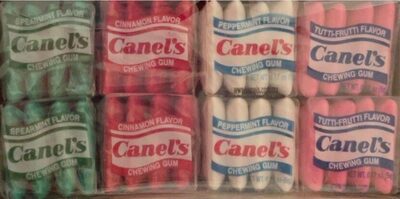
Manufacturers use confectionery glaze to provide a shiny, protective coating on candies, baked goods, and other confections. This coating helps prevent sticking, adds visual appeal, and can extend shelf life by acting as a moisture barrier. It is commonly found in candies, chewing gum, and some snack items like popcorn and nuts.
Health notes
Confectionery glaze is generally recognized as safe (GRAS) by the FDA for use in food. Regulatory bodies like the Joint FAO/WHO Expert Committee on Food Additives (JECFA) and the European Food Safety Authority (EFSA) have evaluated shellac, and it is permitted for use in many countries. At typical consumption levels, it is not associated with adverse health effects. There are no widespread controversies regarding its safety.
Allergen info
Confectionery glaze is not derived from any of the nine FDA major allergens. It does not contain gluten.
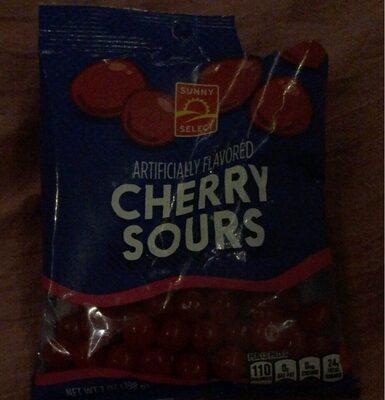
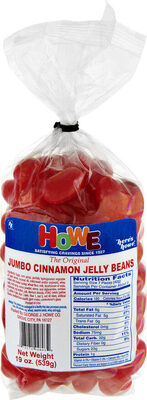
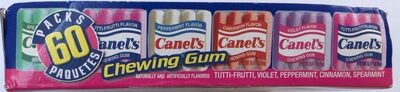
Foods that contain Confectionary Glaze
Compare products →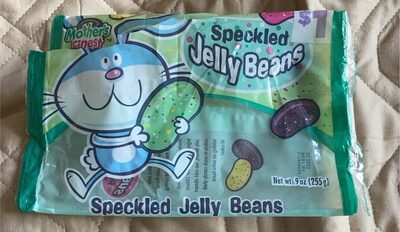
Auto-generated content. This description was generated automatically and is pending editorial review. Inaccuracies are possible. Found a mistake? Contact us.