Auto-generated content.
This description was generated automatically and is pending editorial review.
Inaccuracies are possible. Found a mistake? Contact us.
Source
Animal-derived
Allergen
No
Role in food
In food, shellac is primarily used as a glazing agent to give products a …
What it is
Shellac is a natural resin secreted by the female lac bug (Kerria lacca), which is native to forests in India and Thailand. The resin is harvested from trees, then processed and purified to create the shellac used in food.
Why it's used
In food, shellac is primarily used as a glazing agent to give products a shiny, protective coating. It helps prevent moisture loss, extends shelf life, and improves the appearance of candies, confections, and some fresh produce.
Health notes
The U.S. Food and Drug Administration (FDA) considers shellac to be Generally Recognized As Safe (GRAS) for use as a glazing and finishing agent in food. JECFA (the Joint FAO/WHO Expert Committee on Food Additives) has evaluated shellac and determined that an acceptable daily intake (ADI) does not need to be specified. There are no known adverse health effects at typical intake levels.
Allergen info
Shellac is not considered a major allergen by the FDA, nor does it contain gluten.
Note:
This site presents label data from USDA FoodData Central for general information. It is not medical advice.
Check the package label; formulations change.
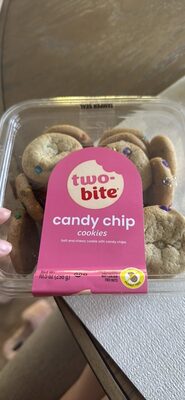 TWO-BITE
Candy Chip Cookies
438kcal
3.1Protein
15.6Fat
65.6Carbs
TWO-BITE
Candy Chip Cookies
438kcal
3.1Protein
15.6Fat
65.6Carbs