Confectioner's Glaze Carrageenan
What is Confectioner's Glaze Carrageenan?
Confectioner's glaze is a food-grade shellac, a resin secreted by the lac beetle. It is processed to remove insect parts and then often mixed with alcohol or other solvents to create a liquid coating. This glaze provides a shiny, protective finish to foods.
Is Confectioner's Glaze Carrageenan vegan?
No. Confectioner's Glaze Carrageenan is animal-derived, so it is not vegan.
Is Confectioner's Glaze Carrageenan gluten-free?
Confectioner's glaze is not derived from any of the 9 FDA major allergens and does not contain gluten.
What is Confectioner's Glaze Carrageenan used for?
Manufacturers use confectioner's glaze as a food-grade coating to give products a glossy appearance and to protect them from moisture.
Is Confectioner's Glaze Carrageenan safe?
Confectioner's glaze is generally recognized as safe (GRAS) by the FDA for use in food.
Why it's used
Manufacturers use confectioner's glaze as a food-grade coating to give products a glossy appearance and to protect them from moisture. It is commonly found on candies, baked goods like cakes and cookies, and sometimes on fruits to enhance their visual appeal and shelf life.
Health notes
Confectioner's glaze is generally recognized as safe (GRAS) by the FDA for use in food. It is not metabolized by the body and passes through undigested. Regulatory bodies like JECFA and EFSA have evaluated shellac and found no safety concerns at typical consumption levels. Some individuals may have sensitivities, but it is not widely associated with significant health controversies.
Allergen info
Confectioner's glaze is not derived from any of the 9 FDA major allergens and does not contain gluten.
Foods that contain Confectioner's Glaze Carrageenan
Compare products →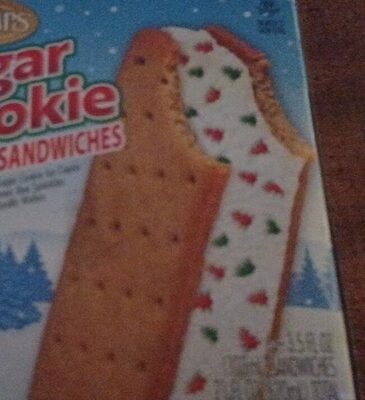 Kemps LLC
Sugar Cookie Ice Cream Sandwiches, Sugar Cookie
High in added sugars — 24% DV per serving
283kcal
3.3Protein
10Fat
46.7Carbs
Kemps LLC
Sugar Cookie Ice Cream Sandwiches, Sugar Cookie
High in added sugars — 24% DV per serving
283kcal
3.3Protein
10Fat
46.7Carbs
 Melville Candy Corporation
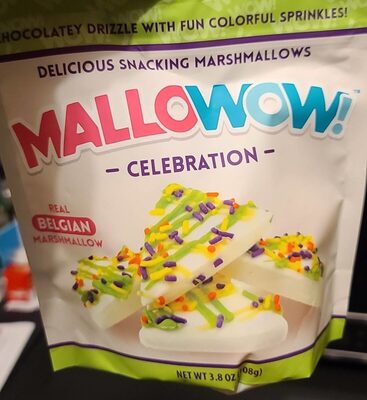
Celebration Chocolatey Drizzle With Fun Colorful Sprinkles! Delicious Snacking Marshmallows, Celebration
High in added sugars — 56% DV per serving
405kcal
2.7Protein
8.1Fat
83.8Carbs
The Kroger Co.
White & Chocolate Cupcakes With Buttercreme Icing, White & Chocolate With Buttercreme Icing
High in added sugars — 60% DV per serving
446kcal
3.6Protein
17.9Fat
69.6Carbs
Melville Candy Corporation
Celebration Chocolatey Drizzle With Fun Colorful Sprinkles! Delicious Snacking Marshmallows, Celebration
High in added sugars — 56% DV per serving
405kcal
2.7Protein
8.1Fat
83.8Carbs
The Kroger Co.
White & Chocolate Cupcakes With Buttercreme Icing, White & Chocolate With Buttercreme Icing
High in added sugars — 60% DV per serving
446kcal
3.6Protein
17.9Fat
69.6Carbs
Auto-generated content. This description was generated automatically and is pending editorial review. Inaccuracies are possible. Found a mistake? Contact us.