Confetti
What is Confetti?
Confetti is a colorful mixture of small pieces of confectionery, often made from sugar, corn syrup, and food coloring. It is typically shaped into tiny dots, stars, or other festive shapes. The ingredients are mixed, cooked, and then cut or extruded into small pieces.
Is Confetti gluten-free?
It does not contain gluten.
Is Confetti a major allergen?
Confetti itself is not typically derived from any of the 9 FDA major allergens.
What is Confetti used for?
Manufacturers add confetti primarily for its decorative appeal, adding visual interest and a festive look to baked goods and candies.
Is Confetti safe?
Confetti is generally recognized as safe (GRAS) by the FDA when used as a food decoration.
Why it's used
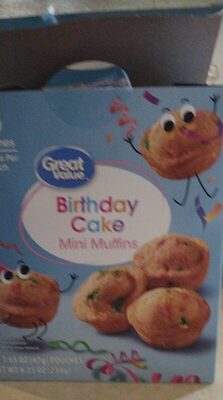
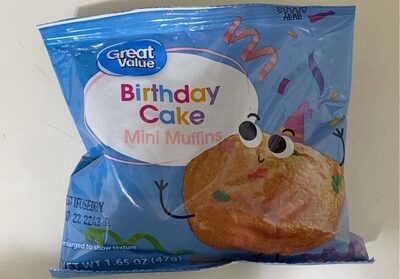
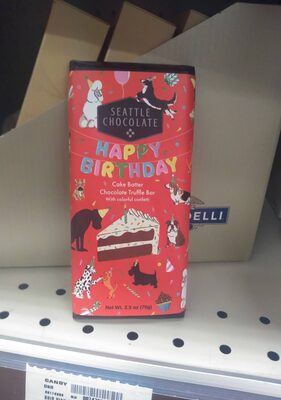
Manufacturers add confetti primarily for its decorative appeal, adding visual interest and a festive look to baked goods and candies. It is commonly found in cakes, cookies, muffins, pastries, and chocolate confections. While it adds color and texture, its primary function is aesthetic.
Health notes
Confetti is generally recognized as safe (GRAS) by the FDA when used as a food decoration. It is made from ingredients like sugar and corn syrup, which are common food components. International bodies like JECFA and EFSA have evaluated many of the individual components used in confetti. Evidence does not suggest adverse health effects from typical consumption as a food decoration.
Allergen info
Confetti itself is not typically derived from any of the 9 FDA major allergens. However, it may be manufactured in facilities that process allergens, so cross-contamination is possible. It does not contain gluten.
Foods that contain Confetti
Compare products →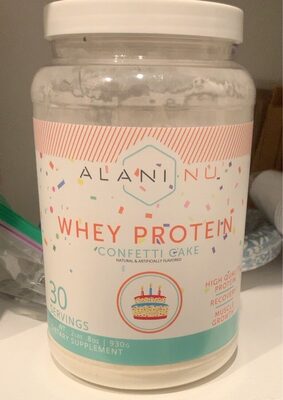
Auto-generated content. This description was generated automatically and is pending editorial review. Inaccuracies are possible. Found a mistake? Contact us.