Contains Less Than 2%: Lard
What is Contains Less Than 2%: Lard?
Lard is a type of animal fat made from the fatty tissue of pigs. It is rendered by heating the fat, which melts and separates from the solid parts. The liquid fat is then strained and cooled to create a solid or semi-solid product.
Is Contains Less Than 2%: Lard vegan?
No. Contains Less Than 2%: Lard is animal-derived, so it is not vegan.
Is Contains Less Than 2%: Lard gluten-free?
It does not contain gluten.
Is Contains Less Than 2%: Lard a major allergen?
Lard is not derived from any of the nine FDA major allergens.
What is Contains Less Than 2%: Lard used for?
Manufacturers add lard for its rich flavor and tenderizing properties in baked goods like pastries and pie crusts.
Is Contains Less Than 2%: Lard safe?
Lard is generally recognized as safe (GRAS) by the FDA for use in food.
Why it's used
Manufacturers add lard for its rich flavor and tenderizing properties in baked goods like pastries and pie crusts. It can also be used for frying and sautéing, providing a distinct taste and texture to foods. It is commonly found in processed meats and canned goods.
Health notes
Lard is generally recognized as safe (GRAS) by the FDA for use in food. It is primarily composed of saturated and monounsaturated fats. While high intake of saturated fat is linked to increased risk of heart disease, lard also contains oleic acid, a monounsaturated fat also found in olive oil. JECFA has evaluated lard and set an acceptable daily intake. Evidence on its health effects is mixed, with some studies highlighting potential benefits of monounsaturated fats and others cautioning against high saturated fat consumption.
Allergen info
Lard is not derived from any of the nine FDA major allergens. It does not contain gluten.
Foods that contain Contains Less Than 2%: Lard
Compare products →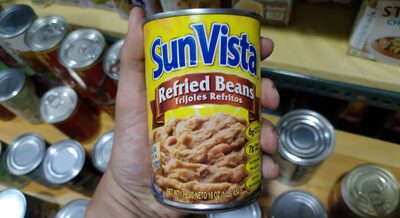
Learn more
Auto-generated content. This description was generated automatically and is pending editorial review. Inaccuracies are possible. Found a mistake? Contact us.