Contains Less Than 2% Red Wine Vinegar
Auto-generated content. This description was generated automatically and is pending editorial review. Inaccuracies are possible. Found a mistake? Contact us.
What it is
Red wine vinegar is a type of vinegar made from red wine. It is produced through a fermentation process where the alcohol in red wine is converted into acetic acid by specific bacteria. This process gives it a characteristic tangy flavor and aroma.
Why it's used
Manufacturers add red wine vinegar primarily for its distinct flavor and acidity. It is used to add a tangy, slightly fruity taste to a variety of foods, acting as a flavor enhancer. It's commonly found in salad dressings, marinades, sauces, and as a seasoning component.
Health notes
Red wine vinegar is generally recognized as safe (GRAS) by the FDA for use in food. Acetic acid, the main component of vinegar, is not known to have adverse health effects at the levels typically consumed in food. JECFA has evaluated vinegar and has not set a numeric limit (ADI not specified). Evidence does not suggest significant health concerns from its consumption in typical amounts.
Allergen info
Red wine vinegar is not derived from any of the 9 FDA major allergens. It does not contain gluten.
Products containing Contains Less Than 2% Red Wine Vinegar
Compare products →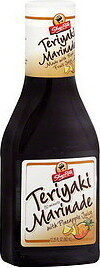 Wakefern Food Corporation
Shoprite, Marinade With Pineapple Juice, Teriyaki, Teriyaki
High in sodium — 24% DV per serving
133kcal
0Protein
0Fat
33.3Carbs
Wakefern Food Corporation
Shoprite, Marinade With Pineapple Juice, Teriyaki, Teriyaki
High in sodium — 24% DV per serving
133kcal
0Protein
0Fat
33.3Carbs
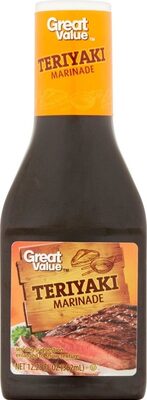 Wal-Mart Stores, Inc.
Teriyaki Marinade, Teriyaki
High in sodium — 24% DV per serving
133kcal
0Protein
0Fat
33.3Carbs
Harris-Teeter Inc.
Teriyaki Marinade, Teriyaki
High in sodium — 24% DV per serving
133kcal
0Protein
0Fat
33.3Carbs
Wal-Mart Stores, Inc.
Teriyaki Marinade, Teriyaki
High in sodium — 24% DV per serving
133kcal
0Protein
0Fat
33.3Carbs
Harris-Teeter Inc.
Teriyaki Marinade, Teriyaki
High in sodium — 24% DV per serving
133kcal
0Protein
0Fat
33.3Carbs
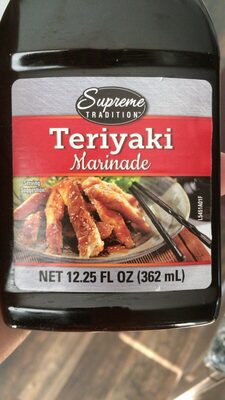 Dollar Tree Stores, Inc.
Greenbrier, Teriyaki Marinade
High in sodium — 24% DV per serving
133kcal
0Protein
0Fat
33.3Carbs
Harris-Teeter Inc.
Harris Teeter, Teriyaki Marinade
High in sodium — 24% DV per serving
133kcal
0Protein
0Fat
33.3Carbs
Aqua Vie Beverage Corp.
Teriyaki Marinade, Teriyaki
High in sodium — 24% DV per serving
133kcal
0Protein
0Fat
33.3Carbs
Dollar Tree Stores, Inc.
Greenbrier, Teriyaki Marinade
High in sodium — 24% DV per serving
133kcal
0Protein
0Fat
33.3Carbs
Harris-Teeter Inc.
Harris Teeter, Teriyaki Marinade
High in sodium — 24% DV per serving
133kcal
0Protein
0Fat
33.3Carbs
Aqua Vie Beverage Corp.
Teriyaki Marinade, Teriyaki
High in sodium — 24% DV per serving
133kcal
0Protein
0Fat
33.3Carbs