Cooked Fettuccine
What is Cooked Fettuccine?
Fettuccine is a type of pasta made from flour and water, sometimes with eggs. It is shaped into long, flat ribbons, similar to linguine but wider. The pasta is typically cooked by boiling in water until tender.
Is Cooked Fettuccine vegan?
Cooked Fettuccine is not animal-derived. Products that contain it can still include other animal-derived ingredients, so check the full ingredient list.
Is Cooked Fettuccine gluten-free?
It contains gluten.
Is Cooked Fettuccine a major allergen?
Fettuccine is typically made from wheat flour, which is one of the major allergens recognized by the FDA.
What is Cooked Fettuccine used for?
Fettuccine is used as a base for many pasta dishes, often served with sauces like Alfredo or marinara.
Is Cooked Fettuccine safe?
Fettuccine is a common food ingredient and is generally recognized as safe by the FDA.
Why it's used
Fettuccine is used as a base for many pasta dishes, often served with sauces like Alfredo or marinara. Manufacturers use it as a carbohydrate source in frozen meals, pasta salads, and ready-to-eat entrees.
Health notes
Fettuccine is a common food ingredient and is generally recognized as safe by the FDA. It is a source of carbohydrates and provides some protein and fiber, depending on the type of flour used. JECFA and EFSA have evaluated pasta and its ingredients, considering them safe for consumption. No specific health concerns are associated with typical consumption of fettuccine.
Allergen info
Fettuccine is typically made from wheat flour, which is one of the major allergens recognized by the FDA. It contains gluten. Not suitable for individuals with celiac disease or wheat allergies.
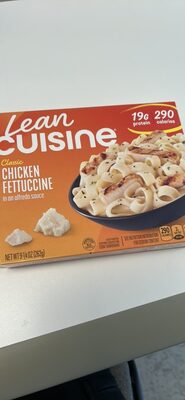
Foods that contain Cooked Fettuccine
Compare products →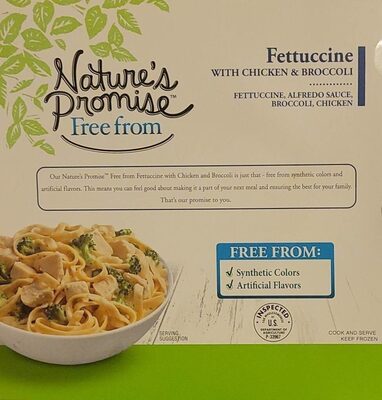
Learn more
Auto-generated content. This description was generated automatically and is pending editorial review. Inaccuracies are possible. Found a mistake? Contact us.