Cookie Ingredients: Enriched Flour
Auto-generated content. This description was generated automatically and is pending editorial review. Inaccuracies are possible. Found a mistake? Contact us.
What it is
Enriched flour is a type of flour that has had vitamins and minerals added back into it after processing. The refining process removes the bran and germ, which contain most of the natural nutrients. Enrichment restores iron and some B vitamins, such as folic acid, niacin, thiamin, and riboflavin.
Why it's used
Enriched flour is a common ingredient in baked goods like bread, cookies, cakes, and pastries. Manufacturers use it as a primary structural ingredient, providing the base for doughs and batters. It is also found in pasta and some breakfast cereals.
Health notes
In the U.S., enriched flour is generally recognized as safe (GRAS) by the FDA. The added nutrients can help prevent deficiencies in the population, particularly for iron and certain B vitamins. Regulatory bodies like JECFA and EFSA have evaluated flour fortification, and it is a common practice worldwide. Evidence does not suggest adverse health effects from consuming enriched flour at typical dietary levels.
Allergen info
Enriched flour is derived from wheat, which is one of the 9 FDA major allergens. It also contains gluten.
Products containing Cookie Ingredients: Enriched Flour
Compare products →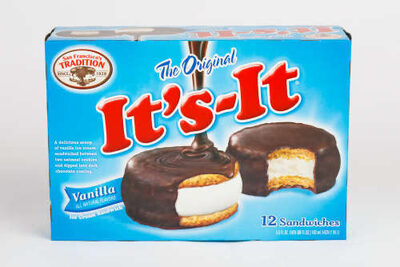 It's-It Ice Cream Company
Ice Cream Sandwich, Vanilla
High in saturated fat — 50% DV per serving
378kcal
4.4Protein
20Fat
43.3Carbs
It's-It Ice Cream Company
Ice Cream Sandwiches, Vanilla
High in saturated fat — 50% DV per serving
378kcal
4.4Protein
20Fat
43.3Carbs
It's-It Ice Cream Company
Ice Cream Sandwich, Vanilla
High in saturated fat — 50% DV per serving
378kcal
4.4Protein
20Fat
43.3Carbs
It's-It Ice Cream Company
Ice Cream Sandwiches, Vanilla
High in saturated fat — 50% DV per serving
378kcal
4.4Protein
20Fat
43.3Carbs
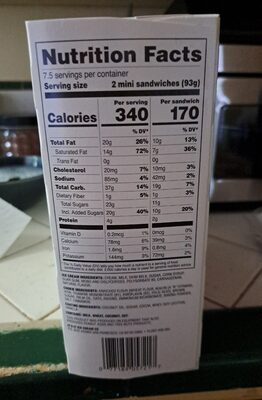 It's-It Ice Cream Company
Vanilla Mini Ice Cream Sandwiches, Vanilla
High in saturated fat — 70% DV per serving
High in added sugars — 20% DV per serving
366kcal
4.3Protein
21.5Fat
39.8Carbs
It's-It Ice Cream Company
Mint Ice Cream Sandwiches, Mint
High in saturated fat — 60% DV per serving
High in added sugars — 36% DV per serving
348kcal
4.3Protein
19.6Fat
39.1Carbs
It's-It Ice Cream Company
Vanilla Ice Cream Sandwiches, Vanilla
High in saturated fat — 60% DV per serving
High in added sugars — 36% DV per serving
348kcal
4.3Protein
19.6Fat
39.1Carbs
It's-It Ice Cream Company
Vanilla Mini Ice Cream Sandwiches, Vanilla
High in saturated fat — 70% DV per serving
High in added sugars — 20% DV per serving
366kcal
4.3Protein
21.5Fat
39.8Carbs
It's-It Ice Cream Company
Mint Ice Cream Sandwiches, Mint
High in saturated fat — 60% DV per serving
High in added sugars — 36% DV per serving
348kcal
4.3Protein
19.6Fat
39.1Carbs
It's-It Ice Cream Company
Vanilla Ice Cream Sandwiches, Vanilla
High in saturated fat — 60% DV per serving
High in added sugars — 36% DV per serving
348kcal
4.3Protein
19.6Fat
39.1Carbs