Cordyceps
What is Cordyceps?
Cordyceps is a genus of parasitic fungi that grow on insect larvae. The most commonly used species, Cordyceps sinensis, is harvested from the larvae of ghost moth caterpillars. The fungus and the insect are dried and often ground into a powder for use in supplements and foods.
Is Cordyceps vegan?
No. Cordyceps is animal-derived, so it is not vegan.
Is Cordyceps gluten-free?
It does not contain gluten.
Is Cordyceps a major allergen?
Cordyceps is a fungus and is not derived from any of the nine major allergens.
What is Cordyceps used for?
Cordyceps is often added to foods and beverages marketed for energy, vitality, or immune support.
Is Cordyceps safe?
Cordyceps is generally recognized as safe (GRAS) by the FDA for use in dietary supplements.
Why it's used
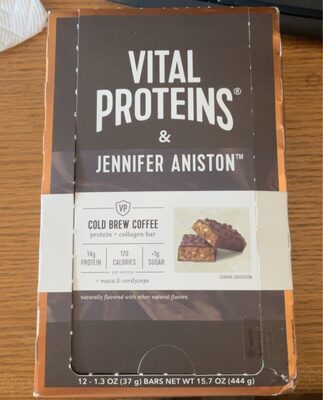
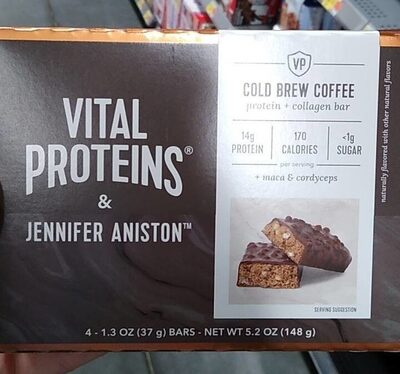
Cordyceps is often added to foods and beverages marketed for energy, vitality, or immune support. It is found in energy bars, protein powders, teas, and coffee. Manufacturers may use it as a functional ingredient rather than for taste or texture.
Health notes
Cordyceps is generally recognized as safe (GRAS) by the FDA for use in dietary supplements. Some research suggests it may help with exercise performance and have anti-fatigue effects, but more studies are needed. The Joint FAO/WHO Expert Committee on Food Additives (JECFA) has evaluated Cordyceps, but did not set a numeric acceptable daily intake (ADI).
Allergen info
Cordyceps is a fungus and is not derived from any of the nine major allergens. It does not contain gluten.
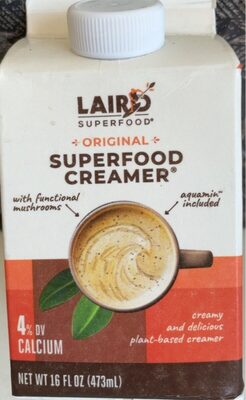
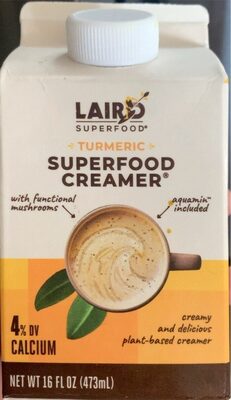
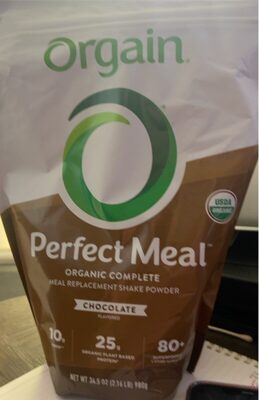
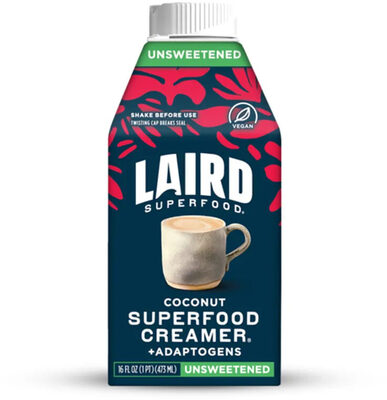
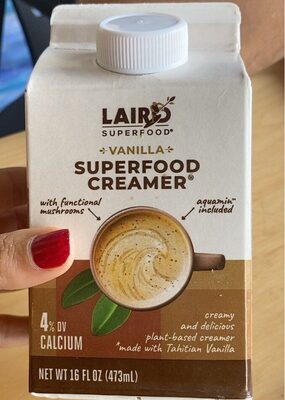
Foods that contain Cordyceps
Compare products →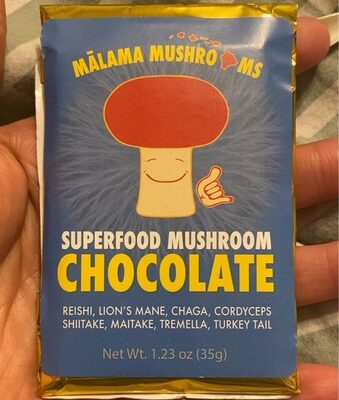
Auto-generated content. This description was generated automatically and is pending editorial review. Inaccuracies are possible. Found a mistake? Contact us.