Coriander And Cumin
Auto-generated content. This description was generated automatically and is pending editorial review. Inaccuracies are possible. Found a mistake? Contact us.
What it is
Coriander is the seed of the cilantro plant, while cumin is the seed of a different plant in the parsley family. Both are dried and ground into a powder for use as a spice. They have a warm, earthy flavor profile that is common in many cuisines.
Why it's used
Coriander and cumin are primarily used to add flavor to foods. They are found in a wide variety of dishes, including curries, soups, stews, chili, and spice blends. Manufacturers use them to enhance the taste and aroma of processed foods.
Health notes
Coriander and cumin are generally recognized as safe (GRAS) by the FDA when used as spices. They are not typically associated with adverse health effects when consumed in amounts found in food. International bodies like JECFA have evaluated spices, and they are considered safe for consumption. Research into specific health benefits is ongoing, but they are not linked to significant health concerns at typical dietary levels.
Allergen info
Coriander and cumin are not derived from any of the 9 FDA major allergens. They do not contain gluten.
Products containing Coriander And Cumin
Compare products →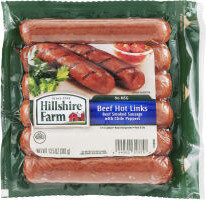 The Hillshire Brands Company
Beef Hot Links Beef Smoked Sausage Made With Spicy Red Pepper, Beef Hot Links
High in sodium — 31% DV per serving
High in saturated fat — 40% DV per serving
316kcal
13.2Protein
26.3Fat
5.3Carbs
The Hillshire Brands Company
Beef Hot Links Beef Smoked Sausage Made With Spicy Red Pepper, Beef Hot Links
High in sodium — 31% DV per serving
High in saturated fat — 40% DV per serving
316kcal
13.2Protein
26.3Fat
5.3Carbs
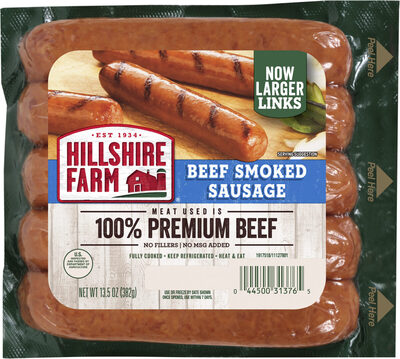 The Hillshire Brands Company
Beef Smoked Sausage, Beef
High in sodium — 31% DV per serving
High in saturated fat — 40% DV per serving
316kcal
13.2Protein
26.3Fat
5.3Carbs
Blount Seafood Corporation
Chicken Tortilla Soup, Chicken Tortilla
High in sodium — 23% DV per serving
60kcal
4.2Protein
1.1Fat
8.1Carbs
The Hillshire Brands Company
Beef Smoked Sausage, Beef
High in sodium — 31% DV per serving
High in saturated fat — 40% DV per serving
316kcal
13.2Protein
26.3Fat
5.3Carbs
Blount Seafood Corporation
Chicken Tortilla Soup, Chicken Tortilla
High in sodium — 23% DV per serving
60kcal
4.2Protein
1.1Fat
8.1Carbs
 Blount Seafood Corporation
All White Meat Chicken Tortilla Soup, Chicken
High in sodium — 27% DV per serving
24kcal
1.3Protein
0.6Fat
3.8Carbs
Blount Seafood Corporation
All White Meat Chicken Tortilla Soup, Chicken
High in sodium — 27% DV per serving
24kcal
1.3Protein
0.6Fat
3.8Carbs
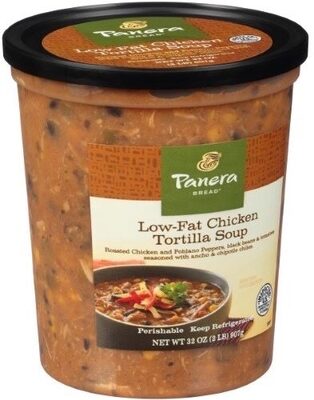 Blount Seafood Corporation
Chicken Tortilla Soup
High in sodium — 27% DV per serving
61kcal
4.5Protein
1.2Fat
8.2Carbs
Blount Seafood Corporation
Chicken Tortilla Soup
High in sodium — 27% DV per serving
61kcal
4.5Protein
1.2Fat
8.2Carbs