Corn Maltodextrins
What is Corn Maltodextrins?
Corn maltodextrins are a type of carbohydrate derived from corn starch. They are produced through a process called hydrolysis, where corn starch is broken down into smaller sugar units. This process results in a white powder that is easily digestible.
Is Corn Maltodextrins vegan?
Corn Maltodextrins is not animal-derived. Products that contain it can still include other animal-derived ingredients, so check the full ingredient list.
Is Corn Maltodextrins gluten-free?
They do not contain gluten.
Is Corn Maltodextrins a major allergen?
Corn maltodextrins are derived from corn and are not a major allergen.
What is Corn Maltodextrins used for?
Manufacturers add corn maltodextrins to foods as a thickener, stabilizer, or bulking agent.
Is Corn Maltodextrins safe?
Corn maltodextrins are generally recognized as safe (GRAS) by the FDA for use in food.
Why it's used
Manufacturers add corn maltodextrins to foods as a thickener, stabilizer, or bulking agent. They can also be used to improve texture and mouthfeel. You can find them in a variety of processed foods, including baked goods, sauces, and dairy products.
Health notes
Corn maltodextrins are generally recognized as safe (GRAS) by the FDA for use in food. They are a source of carbohydrates and can affect blood sugar levels. JECFA and EFSA have evaluated maltodextrins and found them to be safe for consumption. There are no major controversies surrounding their use at typical intake levels.
Allergen info
Corn maltodextrins are derived from corn and are not a major allergen. They do not contain gluten.
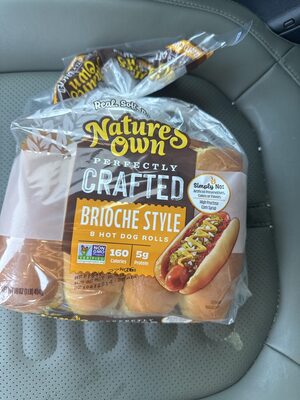
Foods that contain Corn Maltodextrins
Compare products →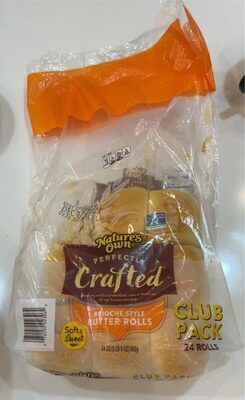

Learn more
Auto-generated content. This description was generated automatically and is pending editorial review. Inaccuracies are possible. Found a mistake? Contact us.