Cottonseed Or Canola Oil
What is Cottonseed Or Canola Oil?
Cottonseed oil is extracted from the seeds of cotton plants. Canola oil is made from rapeseed plants. Both oils are refined to remove impurities and then often bleached and deodorized.
Is Cottonseed Or Canola Oil vegan?
Cottonseed Or Canola Oil is not animal-derived. Products that contain it can still include other animal-derived ingredients, so check the full ingredient list.
Is Cottonseed Or Canola Oil gluten-free?
Neither contains gluten.
Is Cottonseed Or Canola Oil a major allergen?
Cottonseed oil is not derived from any of the nine major allergens.
What is Cottonseed Or Canola Oil used for?
These oils are used as cooking oils and as ingredients in a wide variety of processed foods.
Is Cottonseed Or Canola Oil safe?
Cottonseed oil and canola oil are generally recognized as safe (GRAS) by the FDA for use in food.
Why it's used
These oils are used as cooking oils and as ingredients in a wide variety of processed foods. They provide a neutral flavor and a smooth texture, acting as a base for dressings, baked goods, and fried items.
Health notes
Cottonseed oil and canola oil are generally recognized as safe (GRAS) by the FDA for use in food. They are primarily composed of unsaturated fats, including omega-3 and omega-6 fatty acids. JECFA has evaluated both oils and established acceptable daily intakes. Some research suggests potential benefits of unsaturated fats for heart health, while other studies examine the effects of processing methods on the oils' nutritional profile.
Allergen info
Cottonseed oil is not derived from any of the nine major allergens. Canola oil is not a major allergen. Neither contains gluten.
Foods that contain Cottonseed Or Canola Oil
Compare products →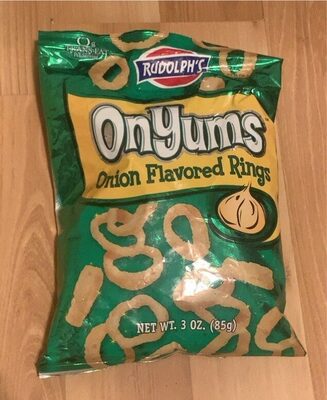
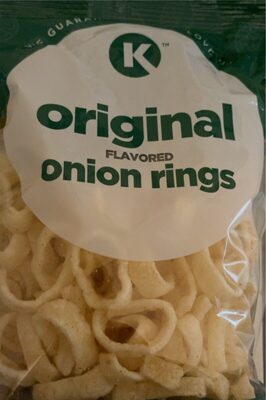
Learn more
Auto-generated content. This description was generated automatically and is pending editorial review. Inaccuracies are possible. Found a mistake? Contact us.