Crisped Cereals
Auto-generated content. This description was generated automatically and is pending editorial review. Inaccuracies are possible. Found a mistake? Contact us.
What it is
Crisped cereals are small pieces of puffed or toasted cereal grains, often rice or wheat. They are typically made by cooking grains, extruding them into shapes, and then drying or frying them until they are crisp. This process gives them a light, crunchy texture.
Why it's used
Manufacturers add crisped cereals to foods to provide a crunchy texture and visual appeal. They are commonly found in chocolate bars, ice cream, yogurt, and baked goods. The crispiness contrasts with smoother textures, enhancing the overall eating experience.
Health notes
Crisped cereals are generally recognized as safe (GRAS) by the FDA when used as a food ingredient. They are primarily a source of carbohydrates. Regulatory bodies like JECFA and EFSA have evaluated many cereal ingredients. There are no widespread health controversies associated with typical consumption of crisped cereals.
Allergen info
Crisped cereals may be derived from wheat, which is a major allergen. If made from wheat, they would contain gluten. Check product labels for specific grain content and allergen warnings.
Products containing Crisped Cereals
Compare products →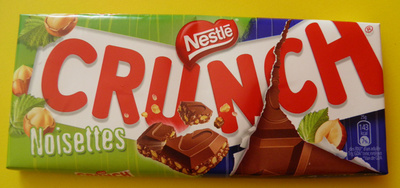 CRUNCH
Milk Chocolate With Chopped Hazelnuts And Crisped Cereals Bar, Milk Chocolate With Chopped Hazelnuts And Crisped Cereals
High in saturated fat — 80% DV per serving
547kcal
7.1Protein
32.8Fat
54.3Carbs
Roasting Solutions LLC
Mini Chocolate Bars
High in saturated fat — 35% DV per serving
556kcal
8.3Protein
38.9Fat
50Carbs
Chocomize Inc.
Merry Crunch Bar
High in saturated fat — 20% DV per serving
605kcal
5Protein
35Fat
60Carbs
CRUNCH
Milk Chocolate With Chopped Hazelnuts And Crisped Cereals Bar, Milk Chocolate With Chopped Hazelnuts And Crisped Cereals
High in saturated fat — 80% DV per serving
547kcal
7.1Protein
32.8Fat
54.3Carbs
Roasting Solutions LLC
Mini Chocolate Bars
High in saturated fat — 35% DV per serving
556kcal
8.3Protein
38.9Fat
50Carbs
Chocomize Inc.
Merry Crunch Bar
High in saturated fat — 20% DV per serving
605kcal
5Protein
35Fat
60Carbs
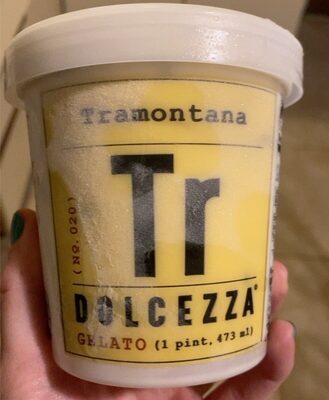 Dolcezza Gelato
Tramontana Gelato, Tramontana
High in saturated fat — 40% DV per serving
High in added sugars — 42% DV per serving
—kcal
4.9Protein
9.8Fat
28.5Carbs
The Yofarm Company
Vanilla Lowfat Yogurt With White Chocolate Flavored Crisps & Dino-Crunch Sprinkles, Vanilla With White Chocolate Flavored Crisps & Dino-Crunch Sprinkles
106kcal
2.9Protein
2.1Fat
18.8Carbs
The Yofarm Company
Vanilla Lowfat Yogurt With Milk Chocolate Flavored Crisps & Dino-Crunch Sprinkles, Vanilla With Milk Chocolate Flavored Crisps & Dino-Crunch Sprinkles
106kcal
3.5Protein
2.1Fat
18.2Carbs
Dolcezza Gelato
Tramontana Gelato, Tramontana
High in saturated fat — 40% DV per serving
High in added sugars — 42% DV per serving
—kcal
4.9Protein
9.8Fat
28.5Carbs
The Yofarm Company
Vanilla Lowfat Yogurt With White Chocolate Flavored Crisps & Dino-Crunch Sprinkles, Vanilla With White Chocolate Flavored Crisps & Dino-Crunch Sprinkles
106kcal
2.9Protein
2.1Fat
18.8Carbs
The Yofarm Company
Vanilla Lowfat Yogurt With Milk Chocolate Flavored Crisps & Dino-Crunch Sprinkles, Vanilla With Milk Chocolate Flavored Crisps & Dino-Crunch Sprinkles
106kcal
3.5Protein
2.1Fat
18.2Carbs