Crostini
What is Crostini?
Crostini are small, toasted or baked slices of bread, often baguette-style. They are typically made from a simple bread dough that is baked, sliced, and then toasted or baked again until crisp. This process gives them a firm texture perfect for holding toppings.
Is Crostini vegan?
Crostini is not animal-derived. Products that contain it can still include other animal-derived ingredients, so check the full ingredient list.
Is Crostini gluten-free?
Crostini are typically made from wheat flour, making them a source of gluten.
What is Crostini used for?
Crostini serve as a base for appetizers and hors d'oeuvres, providing a crunchy vehicle for various toppings like cheeses, meats, vegetables, and spreads.
Is Crostini safe?
Crostini are a type of bread and are generally recognized as safe by the FDA when used as food.
Why it's used
Crostini serve as a base for appetizers and hors d'oeuvres, providing a crunchy vehicle for various toppings like cheeses, meats, vegetables, and spreads. Manufacturers use them in pre-packaged snack combinations and frozen appetizers, offering a convenient way to enjoy a bite-sized treat.
Health notes
Crostini are a type of bread and are generally recognized as safe by the FDA when used as food. They are a source of carbohydrates and can contribute to calorie intake. Regulatory bodies like JECFA and EFSA have evaluated similar bread products. Evidence does not suggest adverse health effects from consuming crostini in moderation as part of a balanced diet.
Allergen info
Crostini are typically made from wheat flour, making them a source of gluten. Wheat is one of the 9 FDA major allergens.
Foods that contain Crostini
Compare products →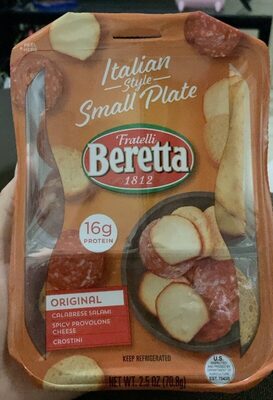
Learn more
Auto-generated content. This description was generated automatically and is pending editorial review. Inaccuracies are possible. Found a mistake? Contact us.