Crypthecodinium Cohnii Oil
What is Crypthecodinium Cohnii Oil?
Crypthecodinium cohnii oil is a source of docosahexaenoic acid (DHA), an omega-3 fatty acid. It is derived from a type of marine microalgae, specifically the dinoflagellate *Crypthecodinium cohnii*. The oil is extracted and purified from cultured algae.
Is Crypthecodinium Cohnii Oil vegan?
Crypthecodinium Cohnii Oil is not animal-derived. Products that contain it can still include other animal-derived ingredients, so check the full ingredient list.
Is Crypthecodinium Cohnii Oil a major allergen?
Not a major allergen.
What is Crypthecodinium Cohnii Oil used for?
This oil is often added to infant formulas and other nutritional products as a source of DHA, which is important for brain and eye development.
Is Crypthecodinium Cohnii Oil safe?
Crypthecodinium cohnii oil is generally recognized as safe (GRAS) by the FDA for use in foods, particularly infant formulas.
Why it's used
This oil is often added to infant formulas and other nutritional products as a source of DHA, which is important for brain and eye development. It may also be found in some fortified foods and beverages. Manufacturers use it to increase the nutritional value of products.
Health notes
Crypthecodinium cohnii oil is generally recognized as safe (GRAS) by the FDA for use in foods, particularly infant formulas. DHA is an essential fatty acid, and supplementation is common. Regulatory bodies like the WHO have recognized the importance of DHA for health. No specific upper intake limits have been set by major international bodies, and there are no widespread controversies regarding its use at typical dietary levels.
Allergen info
Not a major allergen. It is derived from algae, not from any of the nine major allergens.
Foods that contain Crypthecodinium Cohnii Oil
Compare products →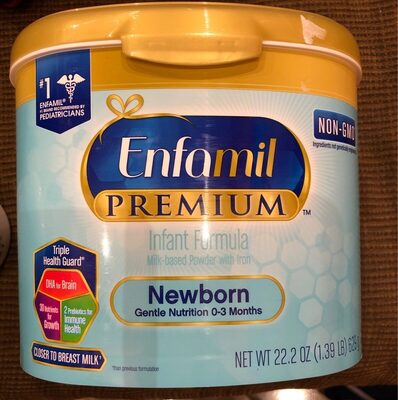 Bristol-Myers Squibb/Mead Johnson Nutritionals
Enfamil, Newborn Infant Formula Powder
67kcal
1.4Protein
3.5Fat
7.5Carbs
Bristol-Myers Squibb/Mead Johnson Nutritionals
Enfamil, Newborn Infant Formula Powder
67kcal
1.4Protein
3.5Fat
7.5Carbs
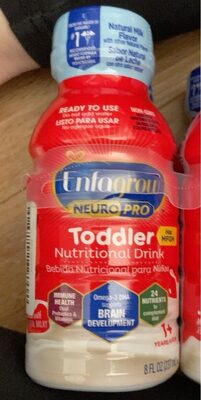 Bristol-Myers Squibb/Mead Johnson Nutritionals
Natural Milk Flavor Drink, Natural Milk
67kcal
2.5Protein
2.5Fat
8.3Carbs
Bristol-Myers Squibb/Mead Johnson Nutritionals
Natural Milk Flavor Drink, Natural Milk
67kcal
2.5Protein
2.5Fat
8.3Carbs
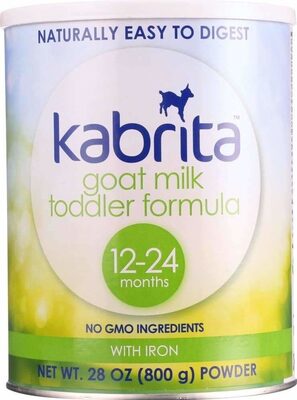 Beaders Sportswear Ltd.
Kabrita, Goat Milk Toddler Formula Powder
474kcal
15.8Protein
21.1Fat
57.9Carbs
Beaders Sportswear Ltd.
Kabrita, Goat Milk Toddler Formula Powder
474kcal
15.8Protein
21.1Fat
57.9Carbs
Learn more
Auto-generated content. This description was generated automatically and is pending editorial review. Inaccuracies are possible. Found a mistake? Contact us.