Cultured Cows Milk
Auto-generated content. This description was generated automatically and is pending editorial review. Inaccuracies are possible. Found a mistake? Contact us.
What it is
Cultured cow's milk is milk that has been fermented by beneficial bacteria, often called probiotics. This process changes the milk's flavor, texture, and nutritional profile, typically making it more tangy and thicker. It is the base for many dairy products like yogurt and kefir.
Why it's used
Cultured cow's milk is used as a primary ingredient in many dairy products, providing a distinct tangy flavor and creamy texture. It is commonly found in yogurts, cheeses, sour cream, and buttermilk, acting as a base for these foods.
Health notes
Cultured cow's milk is generally recognized as safe (GRAS) by the FDA for use in food. The fermentation process can increase the bioavailability of certain nutrients and introduce beneficial probiotics, which may support gut health. International bodies like EFSA have evaluated similar fermented dairy products. Evidence on specific health benefits is ongoing.
Allergen info
Cultured cow's milk is derived from cow's milk, which is one of the nine major allergens identified by the FDA. It does not contain gluten.
Products containing Cultured Cows Milk
Compare products →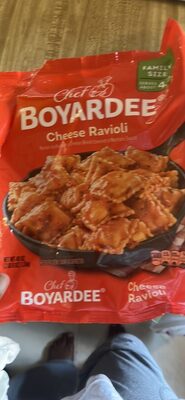 Conagra Brands, Inc
Chef Boyardee Cheese Ravioli, Family Size Skillet Meal, Frozen Meal, 40 oz.
High in sodium — 40% DV per serving
120kcal
4.4Protein
2.0Fat
20.9Carbs
Conagra Brands, Inc
Birds Eye Voila! Cheese Ravioli Skillet Meals, Frozen Meal, 42 oz. Family Size Bag
High in sodium — 27% DV per serving
98kcal
3.4Protein
2.3Fat
15.0Carbs
Conagra Brands, Inc
Chef Boyardee Cheese Ravioli, Family Size Skillet Meal, Frozen Meal, 40 oz.
High in sodium — 40% DV per serving
120kcal
4.4Protein
2.0Fat
20.9Carbs
Conagra Brands, Inc
Birds Eye Voila! Cheese Ravioli Skillet Meals, Frozen Meal, 42 oz. Family Size Bag
High in sodium — 27% DV per serving
98kcal
3.4Protein
2.3Fat
15.0Carbs