Cultured Pasteurized Lowfat Organic Milk
Auto-generated content. This description was generated automatically and is pending editorial review. Inaccuracies are possible. Found a mistake? Contact us.
What it is
Cultured pasteurized lowfat organic milk is cow's milk that has undergone several processing steps. First, it is pasteurized, a heating process that kills harmful bacteria. Then, some of its fat is removed to make it lowfat. Finally, beneficial bacteria cultures are added, which ferment the milk sugars, giving it a tangy flavor and thicker texture. The 'organic' label means it comes from cows raised according to organic farming standards.
Why it's used
Manufacturers use cultured pasteurized lowfat organic milk as a primary ingredient in various dairy products. It provides a creamy texture and tangy flavor, making it suitable for yogurts, kefirs, and dairy-based dips. The culturing process also contributes to its characteristic consistency and taste.
Health notes
As a basic food ingredient, cultured pasteurized lowfat organic milk is generally recognized as safe for consumption by the FDA. It is a source of protein, calcium, and vitamin D (if fortified), and the live and active cultures may contribute to gut health. The 'lowfat' aspect means it contains less saturated fat than whole milk. JECFA and EFSA typically evaluate food additives, not primary food ingredients like milk.
Allergen info
Milk is one of the nine major food allergens identified by the FDA.
Products containing Cultured Pasteurized Lowfat Organic Milk
Compare products →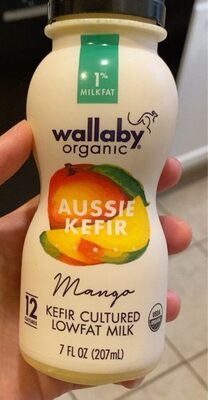 Danone US, LLC
Mango Organic Aussie Kefir Cultured Lowfat Milk, Mango
High in added sugars — 24% DV per serving
68kcal
2.9Protein
1.0Fat
11.6Carbs
Daniel Rizzardi, Inc.
Blueberry Aussie Kefir Cultured Lowfat Milk, Blueberry
High in added sugars — 32% DV per serving
67kcal
2.9Protein
1.0Fat
11.7Carbs
Danone US, LLC
Mango Organic Aussie Kefir Cultured Lowfat Milk, Mango
High in added sugars — 28% DV per serving
67kcal
2.9Protein
1.0Fat
11.7Carbs
Danone US, LLC
Vanilla Organic Aussie Kefir Cultured Lowfat Milk, Vanilla
High in added sugars — 36% DV per serving
67kcal
2.9Protein
1.0Fat
11.7Carbs
Danone US, LLC
Everything Bagel Aussie Dip Lowfat Yogurt Dip, Everything Bagel
67kcal
10Protein
1.7Fat
6.7Carbs
Danone US, LLC
Mango Organic Aussie Kefir Cultured Lowfat Milk, Mango
High in added sugars — 24% DV per serving
68kcal
2.9Protein
1.0Fat
11.6Carbs
Daniel Rizzardi, Inc.
Blueberry Aussie Kefir Cultured Lowfat Milk, Blueberry
High in added sugars — 32% DV per serving
67kcal
2.9Protein
1.0Fat
11.7Carbs
Danone US, LLC
Mango Organic Aussie Kefir Cultured Lowfat Milk, Mango
High in added sugars — 28% DV per serving
67kcal
2.9Protein
1.0Fat
11.7Carbs
Danone US, LLC
Vanilla Organic Aussie Kefir Cultured Lowfat Milk, Vanilla
High in added sugars — 36% DV per serving
67kcal
2.9Protein
1.0Fat
11.7Carbs
Danone US, LLC
Everything Bagel Aussie Dip Lowfat Yogurt Dip, Everything Bagel
67kcal
10Protein
1.7Fat
6.7Carbs
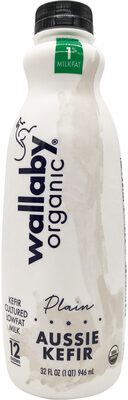 Danone US, LLC
Plain Organic Aussie Kefir Cultured Lowfat Milk, Plain
46kcal
3.3Protein
1.2Fat
5Carbs
Danone US, LLC
Vanilla Organic Aussie Kefir Cultured Lowfat Milk, Vanilla
68kcal
2.9Protein
1.0Fat
11.6Carbs
Danone US, LLC
Plain Organic Aussie Kefir Cultured Lowfat Milk, Plain
46kcal
3.3Protein
1.2Fat
5Carbs
Danone US, LLC
Vanilla Organic Aussie Kefir Cultured Lowfat Milk, Vanilla
68kcal
2.9Protein
1.0Fat
11.6Carbs